
A 7-Day Europe Multi-Country Tour can be an exciting way to experience several European destinations in one trip, but good planning is essential. Europe may look compact on a map, yet changing countries involves airport transfers, train journeys, hotel check-ins, sightseeing schedules and luggage management.
For first-time visitors, the biggest mistake is trying to see too much in too little time. A well-planned 7-Day Europe Multi-Country Tour should focus on destinations with direct high-speed train or short-flight connections rather than simply counting countries.
This guide explains how to choose your route, connect cities by train or private transfer, select accommodation, manage luggage and build a realistic seven-day Europe itinerary. It is useful for independent travelers, families, travel agents, tour operators and small groups planning a multi-country European holiday.
Quick Answer: How Many Countries Can You Visit in 7 Days?
A realistic 7-Day Europe Multi-Country Tour usually works best with 2–3 countries. Choose destinations with direct high-speed train or short-flight connections, stay at least two nights in major cities where possible, and avoid changing hotels every day. For a first trip, routes such as France–Belgium–Netherlands or Italy–Switzerland–France can offer a good balance of sightseeing and travel time.
Key Facts for Planning a 7-Day Europe Tour
| Planning Factor | Recommendation |
|---|---|
| Trip Length | 7 days |
| Ideal Countries | 2–3 |
| Ideal Cities | 3–4 major bases |
| Best Transport | High-speed trains + selected private transfers |
| Accommodation | Centrally located hotels |
| Best For | First-time visitors, couples, families, small groups |
| Travel Style | Fast-paced but manageable |
| Booking Priority | Transport and accommodation first |
| Luggage | Travel light where possible |
| Main Planning Rule | Minimize unnecessary hotel changes |
Key Highlights
- Visit 2–3 countries rather than trying to cover half of Europe.
- Choose cities connected by direct trains whenever possible.
- Use an open-jaw flight when it saves unnecessary backtracking.
- Keep at least two nights in major destinations when possible.
- Consider private transfers for airport arrivals and complicated city connections.
- Book popular trains and accommodation ahead during peak seasons.
- Leave enough time for meals, rest and unexpected delays.
- Build the itinerary around geography rather than simply adding famous cities.
How to Choose Countries for a 7-Day Europe Tour
Planning a 7-Day Europe Multi-Country Tour starts with choosing destinations that are geographically close and easy to connect by train, flight or private transfer.

The first step is deciding which countries can realistically be combined.
Instead of asking, “How many countries can I visit?”, ask:
“Which destinations can I connect efficiently?”
Geographically close countries are usually easier to combine.
Good combinations include:
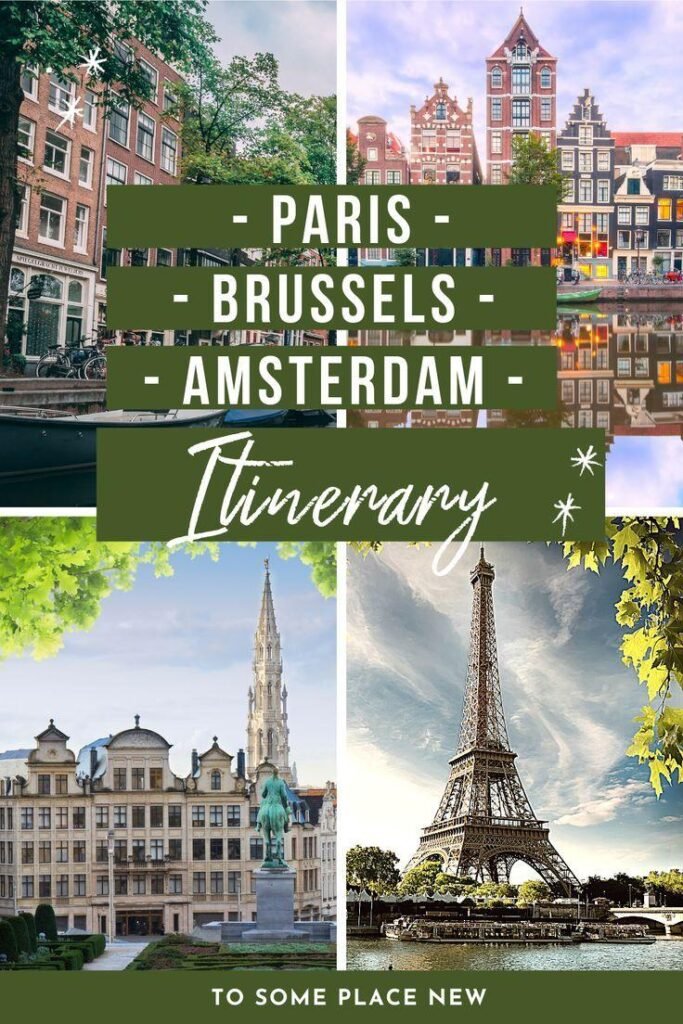
France + Belgium + Netherlands
Paris → Brussels → Amsterdam
This is one of the simplest combinations for first-time visitors because the cities are connected by international rail services.
France + Switzerland + Italy
Paris → Zurich/Lucerne → Milan
This route combines major European cities with Alpine scenery and Italian culture.
Italy + Switzerland
Milan → Lake Como → Lucerne/Zurich
This works well for travelers who want a mixture of Italian cities and Swiss landscapes.
Austria + Hungary + Czechia
Vienna → Budapest → Prague
This Central European route is geographically efficient and well suited to rail travel.
How Many Cities Should You Visit?
For seven days, three or four cities are usually enough.
For example:
Day 1–2: Paris
Day 3: Brussels
Day 4–6: Amsterdam
Day 7: Departure
Trying to include Paris, London, Amsterdam, Berlin, Rome and Barcelona in the same week may look impressive on paper, but much of the holiday would be spent traveling.
Every additional destination means:
- Packing
- Checking out
- Traveling to the station or airport
- Waiting for departure
- Traveling
- Finding the next hotel
- Checking in
- Reorienting yourself in a new city
The time cost adds up quickly.
Sample 7-Day Europe Multi-Country Tour
The following 7-Day Europe Multi-Country Tour is designed for first-time visitors who want to experience several European cities without spending most of the holiday in transit.
One practical first-time itinerary is:
Day 1: Arrive in Paris
Arrive in Paris and check into your hotel.
Keep the first day relatively flexible, particularly if you are arriving from outside Europe.
Depending on arrival time, explore:
- Eiffel Tower area
- Seine River
- Champs-Élysées
- Arc de Triomphe
- Montmartre

Avoid scheduling too many attractions immediately after a long-haul flight.
Day 2: Explore Paris
Spend a full day exploring the French capital.
Popular attractions include:
- Louvre Museum
- Eiffel Tower
- Notre-Dame area
- Latin Quarter
- Montmartre
- Seine riverfront
Choose two or three major attractions rather than attempting to visit everything.
Day 3: Paris to Brussels
Travel from Paris to Brussels by high-speed train.
After arriving, explore:
- Grand Place
- Brussels Town Hall
- Galeries Royales Saint-Hubert
- Manneken Pis
- Mont des Arts

Brussels works well as a short stop because many central attractions are relatively close together.
Day 4: Brussels to Amsterdam
Continue to Amsterdam by train.
After checking into your hotel, explore:
- Dam Square
- Amsterdam Canal Belt
- Jordaan
- Nine Streets
- Museum Quarter

An evening canal cruise can be a good way to see the city without adding extensive walking.
Day 5: Amsterdam
Spend a full day in Amsterdam.
Depending on your interests, consider:
- Rijksmuseum
- Van Gogh Museum
- Anne Frank House
- Canal cruise
- Vondelpark
- Jordaan
Popular attractions can sell out, so advance reservations are recommended.
Day 6: Amsterdam and Nearby Experience
Keep the sixth day flexible.
You could continue exploring Amsterdam or take a short excursion to destinations such as:
- Zaanse Schans
- Haarlem
- Utrecht
Do not add a distant destination simply to increase your country count.
The goal is to enjoy the journey rather than collect passport stamps.
Day 7: Departure
Keep the final day simple.
Allow enough time for:
- Hotel checkout
- Airport transportation
- Security
- Immigration where applicable
- Baggage procedures
If your international flight departs from a different city than where you arrived, plan the route carefully from the beginning.
Should You Use Trains or Flights?
For many Western and Central European routes, trains can be more convenient than short-haul flights.
| Factor | Train | Flight |
|---|---|---|
| City-center access | Usually excellent | Usually weaker |
| Airport security | No | Yes |
| Check-in time | Usually shorter | Usually longer |
| Luggage | Generally convenient | Airline-dependent |
| Scenic journey | Yes | No |
| Short European routes | Often practical | Sometimes unnecessary |
| Overnight options | Available on some routes | Limited |
A 90-minute flight is not necessarily a 90-minute journey.

You must also consider transportation to the airport, check-in, security, boarding, baggage collection and transportation into the destination city.
When Should You Choose a Private Transfer?
Private transportation can be useful when the journey involves multiple passengers, significant luggage or complicated connections.

Consider a private transfer for:
Airport Arrivals
After a long-haul flight, a pre-arranged vehicle can take you directly from the airport to your hotel.
Families
Families traveling with children, strollers and multiple suitcases may find door-to-door transportation more convenient.
Small Groups
A private minivan can simplify transportation for groups traveling together.
City-to-City Journeys
Private transportation can be useful for routes where the group wants hotel-to-hotel service rather than traveling between stations.
Multi-City European Trips
Travel agencies and tour operators may also use private transportation to coordinate multiple transfers across a longer itinerary.
How Tour Passion Can Support a Multi-Country Itinerary
A 7-Day Europe Multi-Country Tour often involves more than simply booking trains and hotels.
Travel professionals may also need to coordinate:
- Airport transfers
- Hotel pickups
- City transfers
- Group transportation
- Sightseeing transportation
- Cruise port transfers
- Intercity journeys
- Multi-country transportation

Tour Passion provides transportation solutions for travel agencies, tour operators, DMCs, corporate travel planners and leisure travelers across Europe.
Depending on group size and itinerary requirements, options can include:
- Executive sedans
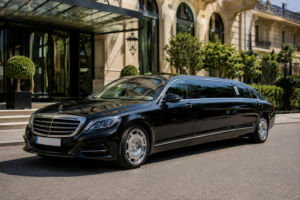
- Luxury sedans
- Premium SUVs
- Mercedes-Benz V-Class
- Mercedes-Benz Sprinter
- Minibuses
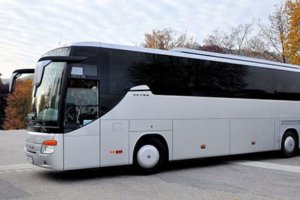
- Coaches
- Professional chauffeur services
For a multi-country itinerary, the main advantage is coordination. Travelers can plan transportation around their hotels, flights, trains and sightseeing schedule instead of arranging every journey separately.
How to Book Hotels for a 7-Day Multi-Country Tour
Accommodation should be selected based on location, not only price.
A hotel slightly farther from the city center may appear cheaper, but daily transportation can quickly reduce the saving.
Look for hotels that offer:
- Easy access to public transport
- Walkable access to major attractions
- Convenient airport connections
- Luggage storage
- Early breakfast where required
- Flexible cancellation policies
For a seven-day trip, changing hotels too frequently can become exhausting.
How to Manage Luggage During a Multi-Country Trip
Travel light whenever possible.
A smaller suitcase makes:
- Train travel easier
- Hotel changes faster
- Walking more comfortable
- Public transport simpler
- Private transfers easier to coordinate
Pack versatile clothing rather than separate outfits for every day.
If traveling during winter, remember that coats and footwear can take up considerable luggage space.
Best Time for a 7-Day Europe Multi-Country Tour
Spring: March to May
Spring offers:
- Pleasant sightseeing conditions
- Longer daylight
- Flower displays
- Generally comfortable walking weather
April and May can be particularly attractive for city trips.
Summer: June to August
Summer provides:
- Long daylight hours
- Outdoor events
- Extended sightseeing opportunities
However, expect higher demand and potentially higher accommodation prices.
Book popular attractions and transportation early.
Autumn: September to November
Early autumn can offer a good balance of:
- Comfortable temperatures
- Fewer crowds
- Good sightseeing conditions
- Cultural events
September and early October can be especially useful for multi-city trips.
Winter: December to February
Winter can be excellent for:
- Christmas markets
- Museums
- Festive city breaks
- Lower demand in some destinations
However, daylight hours are shorter and weather can affect travel plans.
How Much Time Should You Allow Between Connections?
Avoid extremely tight connections.
For international flights, allow sufficient time for airport procedures.
For train journeys, leave additional time when:
- Changing stations
- Traveling with children
- Carrying large luggage
- Connecting from a delayed service
- Traveling during peak periods
A small amount of extra time can prevent one delayed connection from disrupting an entire itinerary.
Common Mistakes to Avoid
The biggest mistake when planning a 7-Day Europe Multi-Country Tour is treating travel time as sightseeing time.
1. Trying to Visit Too Many Countries
More countries do not automatically mean a better trip.
2. Booking the Cheapest Hotel
Location can matter more than a small difference in nightly price.
3. Ignoring Travel Time
Always calculate the complete door-to-door journey.
4. Scheduling Attractions Too Closely
Museums, monuments and tours can take longer than expected.
5. Forgetting Airport Transfer Time
Airports are often outside the city center.
6. Not Checking Train or Flight Conditions
Schedules and operating conditions can change.
7. Overpacking
Large luggage becomes inconvenient when changing cities frequently.
8. Leaving Everything Until the Last Minute
Popular hotels, trains, attractions and transfers can sell out during peak periods.
Travel Tips for Families
Families should build a little extra flexibility into their itinerary.
Consider:
- Staying near public transport
- Booking family-friendly accommodation
- Avoiding daily hotel changes
- Reserving child seats when using private transfers
- Planning breaks between major attractions
- Carrying snacks and water during longer journeys
A slightly slower itinerary is often more enjoyable for children.
Travel Tips for Business Travelers
Business travelers should prioritize reliable transportation and centrally located accommodation.
A practical schedule should include:
- Airport transfer
- Hotel check-in
- Meeting locations
- Dedicated working time
- Reliable intercity transportation
- Sufficient connection time
Private chauffeur services can be useful when several meetings are scheduled across different parts of a city.
Europe Multi-Country Tour Packing Checklist
Before departure, check:
- Passport
- Appropriate visa or entry authorization
- Travel insurance
- Flight tickets
- Train reservations
- Hotel confirmations
- Airport transfer confirmations
- Payment cards
- Some local currency
- Phone charger
- Universal adapter
- Essential medication
- Comfortable walking shoes
Keep digital copies of important documents in a secure location.
How Travel Agents Can Build Better 7-Day Europe Itineraries
For travel professionals, a 7-Day Europe Multi-Country Tour should be built around the client’s preferred pace, arrival airport, hotel locations and transportation requirements.x
Travel agents should start with the client’s priorities.
Ask:
- Which countries do they want to visit?
- Is this their first Europe trip?
- Do they prefer sightseeing or relaxation?
- Are children traveling?
- What is their preferred travel pace?
- What type of accommodation do they want?
- Are they comfortable using trains?
- Do they require private transportation?
- What is their arrival airport?
- Where will they depart from?
The answers should determine the route.
A luxury couple’s itinerary will look very different from a family tour or corporate group programme.
Whether planned independently or through a travel professional, a 7-Day Europe Multi-Country Tour works best when every city and transportation connection has a clear purpose.
A well-planned 7-Day Europe Multi-Country Tour can be an excellent introduction to Europe when the itinerary is built around realistic travel times rather than the number of countries visited.
Choose geographically connected destinations, use efficient rail or private transportation, stay in convenient locations and avoid changing hotels unnecessarily. A route such as Paris–Brussels–Amsterdam can provide a balanced combination of culture, architecture, food and European city experiences within one week.
For families, groups and travel professionals, advance transportation planning is particularly important. Airport transfers, chauffeur services, minibuses and coaches can make complex itineraries easier to coordinate.
With thoughtful planning, a seven-day European journey can feel exciting and varied without becoming an exhausting race between cities.
Plan Your Europe Journey with Tour Passion
Planning a multi-country European holiday for yourself or your clients?
Tour Passion can assist with private airport transfers, chauffeur services, executive vehicles, luxury vans, minibuses, coaches and multi-city transportation across Europe.
Travel professionals can request a quotation or discuss a customized itinerary covering multiple European destinations, airports, hotels and sightseeing requirements.
Frequently Asked Questions
Is 7 days enough for a Europe multi-country trip?
Yes, but the itinerary should remain focused. Two or three countries connected by efficient transportation are generally more realistic than trying to cover five or six countries.
How many countries can I visit in seven days?
There is no fixed limit, but two or three countries is a practical target for most travelers. The ideal number depends on the distance between destinations and how much sightseeing time you want.
Is it better to travel by train or plane in Europe?
For many short international routes, trains can be convenient because city-center stations reduce airport-related travel time. Flights may still make more sense for longer distances or routes without efficient rail connections.
Should I book private airport transfers?
Private airport transfers can be worthwhile for families, groups, business travelers and visitors carrying substantial luggage. They provide door-to-door transportation and can simplify the first and last stages of a European itinerary.
Should I visit Paris, Brussels and Amsterdam in one week?
Yes. These cities form a practical Western European route because they are geographically close and connected by international rail services.
When should I book a Europe multi-country tour?
Book major transportation, accommodation and popular attractions as early as practical, especially for summer travel and major European events. Earlier planning also gives travelers more choice in hotels and transportation.
Suggested For You
Multi-Country Europe Tour Package – 11 Days
Switzerland France Tour Package – 12 Days
Luxury Transfer Services in Europe
Recommended Europe Travel Services
Paris coach hire,
Paris chauffeur service,
Schiphol airport transfers,
Amsterdam airport taxi,
Paris airport transfer,
Europe coach rental,
Barcelona airport transfers,
Barcelona transportation,
Luxury Europe travel,
Interlaken transfers,
Davos transfers,
Italy chauffeur services,
Paris car rentals,
Grand Paris taxi services,
Paris CDG taxi,