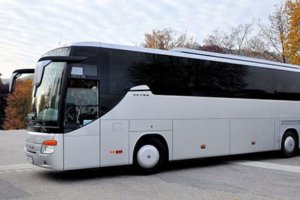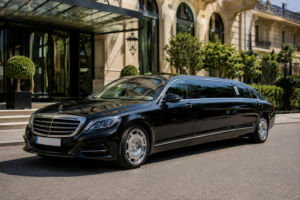


Planning your first trip to Europe is exciting, but with so many countries, cultures, transportation options, and travel regulations, it can also feel overwhelming. From choosing the right destinations to understanding the Schengen Area and planning transportation, careful preparation can help you enjoy a smooth and memorable journey.

This First-Time Europe Travel Guide covers the essential information every traveler should know before visiting Europe, helping you plan your itinerary with confidence and make the most of your experience.
Choose the Right Destinations
A well-planned First-Time Europe Travel Guide should begin by selecting destinations that match your interests and available travel time.
Europe is home to more than 40 countries, each offering unique attractions and experiences.
If you’re visiting Europe for the first time, consider focusing on a few destinations instead of trying to see everything in one trip.
Popular first-time destinations include:
- Paris, France
- London, United Kingdom
- Rome, Italy
- Amsterdam, Netherlands
- Zurich, Switzerland
- Vienna, Austria
- Barcelona, Spain
- Prague, Czech Republic
Selecting nearby destinations can reduce travel time and make your itinerary more enjoyable.

Understand the Schengen Area
Every First-Time Europe Travel Guide should explain the Schengen Area because it plays an important role in planning a European itinerary.
Many European countries are part of the Schengen Area, which allows travelers to move between participating countries without routine border checks after entering the region.
However, not every European country belongs to the Schengen Area. For example, the United Kingdom and Ireland have separate entry requirements.
Before traveling, always check:
- Visa requirements
- Passport validity
- Entry regulations
- Length of permitted stay
Understanding these rules will help you avoid unnecessary travel disruptions.
Plan a Realistic Itinerary
One of the most common mistakes first-time visitors make is trying to visit too many countries in a short period.
Instead:
- Spend at least 2–4 days in major cities.
- Allow extra time for transportation.
- Include rest days.
- Prioritize quality over quantity.
A balanced itinerary allows you to experience each destination without feeling rushed.
Choose the Best Time to Visit Europe
Each season offers a different travel experience.
Spring (March–May)
- Pleasant weather
- Blooming gardens
- Moderate crowds
Summer (June–August)
- Long daylight hours
- Festivals and outdoor events
- Peak tourist season
Autumn (September–November)
- Comfortable temperatures
- Fewer crowds
- Beautiful autumn scenery
Winter (December–February)
- Christmas markets
- Ski holidays
- Festive atmosphere
The best season depends on your interests, budget, and preferred activities.
Budget Your Trip Carefully
Europe offers travel experiences for every budget.
When planning your expenses, consider:
- Flights
- Accommodation
- Local transportation
- Food and dining
- Attraction tickets
- Shopping
- Travel insurance
Booking flights and hotels early often provides better availability and pricing.
Learn About Transportation Options
Transportation planning is one of the most important sections of any First-Time Europe Travel Guide, especially for travelers visiting multiple countries.
Europe has one of the world’s most efficient transportation networks.
Travelers can choose from:
- High-speed trains
- Domestic flights
- Long-distance coaches
- Public transportation
- Private transfers
- Chauffeur services
Selecting the right transportation depends on your itinerary, travel group, luggage, and budget.

Pack Smart
Packing efficiently can make your trip more comfortable.
Recommended essentials include:
- Comfortable walking shoes
- Weather-appropriate clothing
- Universal travel adapter
- Passport and travel documents
- Travel insurance information
- Portable charger
- Reusable water bottle
Packing light also makes moving between destinations much easier.
Stay Connected
Reliable internet access is useful for:
- Navigation
- Online bookings
- Digital tickets
- Communication
- Translation apps
Travelers can choose:
- International roaming
- Local SIM cards
- eSIM services
- Portable Wi-Fi devices

Respect Local Culture
Europe is culturally diverse, and customs vary between countries.
Visitors should:
- Respect local traditions.
- Follow museum and attraction rules.
- Dress appropriately when visiting religious sites.
- Learn a few basic local phrases.
- Observe local etiquette.
Respectful behavior contributes to a more enjoyable travel experience.
Book Major Attractions in Advance
Many of Europe’s most popular attractions require advance reservations, particularly during peak travel seasons.
Examples include:
- Museums
- Palaces
- Historic monuments
- Observation decks
- Guided tours
Booking early helps avoid long queues and sold-out dates.
Stay Safe While Traveling
Europe is generally considered a safe destination, but basic travel precautions remain important.
Travelers should:
- Keep valuables secure.
- Stay aware in crowded tourist areas.
- Carry copies of important documents.
- Purchase comprehensive travel insurance.
- Follow local safety advice.
Good preparation helps reduce unexpected travel issues.
Transportation Planning for First-Time Europe Travelers
Following a First-Time Europe Travel Guide can help travelers make better transportation decisions before arriving in Europe.
Transportation planning is one of the most important parts of a successful European itinerary.
Whether arriving at major international airports, traveling between multiple countries, attending business meetings, joining guided tours, or exploring several cities in one journey, arranging transportation before departure can save time and reduce travel stress.
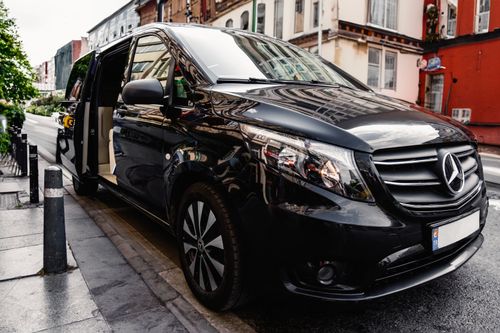
Tour Passion supports travelers across Europe with airport transfers, chauffeur services, executive sedans, luxury SUVs, Mercedes-Benz V-Class transportation, coach rentals, minibus services, group transportation, corporate travel solutions, and customized multi-city travel planning, helping visitors enjoy reliable and comfortable transportation throughout Europe.
This First-Time Europe Travel Guide provides the essential information needed to confidently plan your first European adventure. A well-planned first trip to Europe can become an unforgettable experience. By choosing the right destinations, understanding travel regulations, budgeting carefully, planning transportation, and preparing in advance, travelers can explore Europe with greater confidence and comfort. With thoughtful planning, your first European adventure can be the beginning of many memorable journeys across the continent. By following this First-Time Europe Travel Guide, visitors can enjoy a smoother, safer, and more memorable journey across Europe.
Frequently Asked Questions
How many countries should I visit on my first Europe trip?
Most first-time travelers enjoy visiting two to four countries, depending on the duration of their trip.
Is Europe easy to travel around?
Yes. Europe offers excellent rail networks, flights, coaches, and road connections, making travel between destinations convenient.
How many days should I spend in Europe?
A trip of 10–14 days allows enough time to visit several destinations without rushing.
What documents do I need to travel to Europe?
Requirements vary by nationality but generally include a valid passport, visa (if required), travel insurance (where applicable), and supporting travel documents.
Should I arrange transportation before arriving?
Yes. Booking transportation in advance helps ensure smoother airport arrivals, intercity travel, and transfers between hotels and attractions.
Suggested For You
Multi-Country Europe Tour Package – 11 Days
Switzerland France Tour Package – 12 Days
Luxury Transfer Services in Europe
Recommended Europe Travel Services
Paris coach hire,
Paris chauffeur service,
Schiphol airport transfers,
Amsterdam airport taxi,
Paris airport transfer,
Europe coach rental,
Barcelona airport transfers,
Barcelona transportation,
Luxury Europe travel,
Interlaken transfers,
Davos transfers,
Italy chauffeur services,
Paris car rentals,
Grand Paris taxi services,
Paris CDG taxi,