

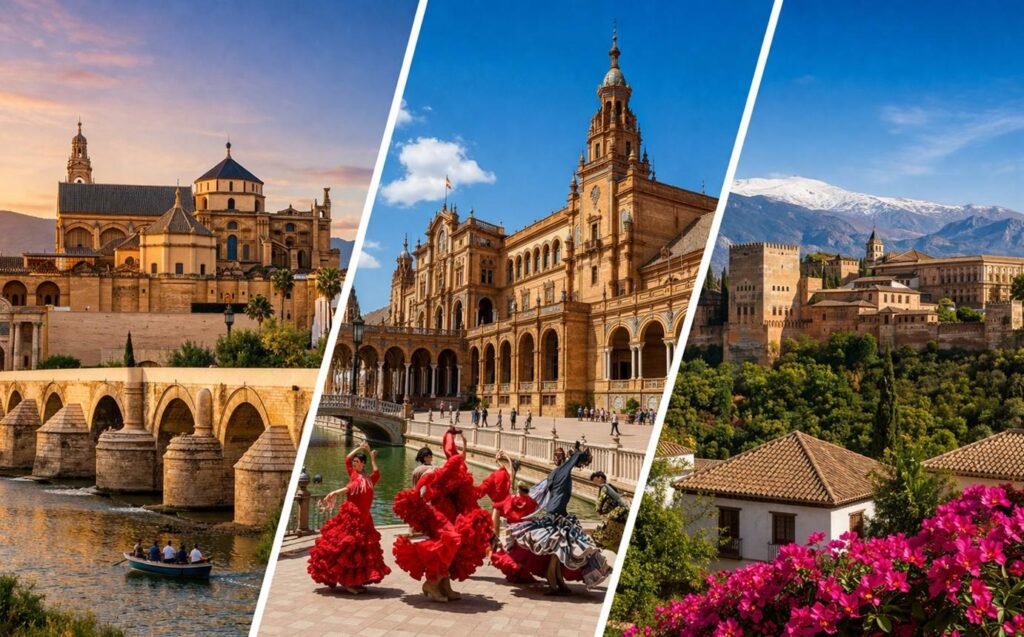
Visit Andalusia and discover why this remarkable region in southern Spain continues to captivate travelers from around the world. From the magnificent Alhambra in Granada to the lively streets of Seville and the dramatic landscapes of Ronda, Andalusia offers an unforgettable blend of history, culture, cuisine, and natural beauty.
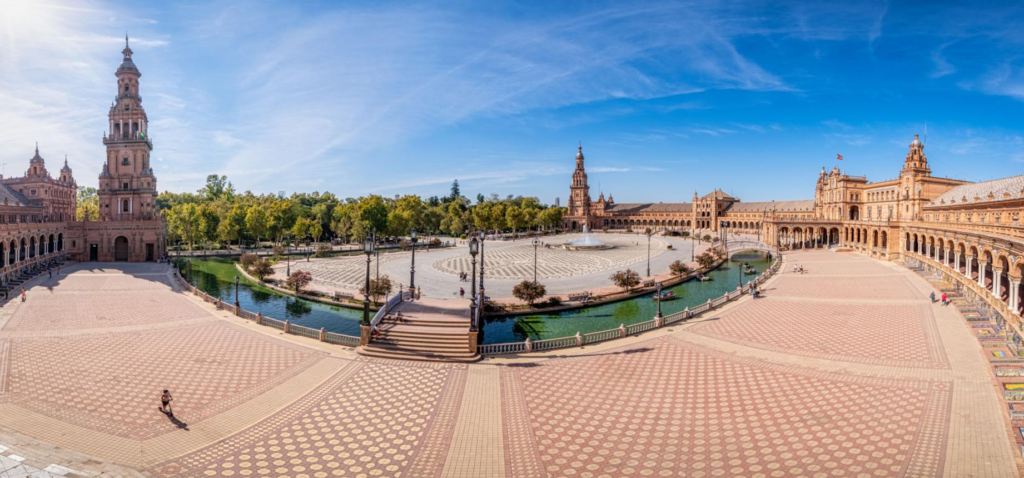
From the magnificent palaces of Granada and the lively streets of Seville to the dramatic cliffs of Ronda and the golden beaches of Costa del Sol, Andalusia offers something for every type of traveler. Whether you’re planning a romantic getaway, a cultural holiday, a family vacation, or a luxury European adventure, this remarkable region delivers unforgettable memories at every turn.
With charming whitewashed villages, passionate flamenco performances, UNESCO World Heritage Sites, and some of Spain’s finest gastronomy, Andalusia continues to attract millions of visitors every year—and for good reason. Visit Andalusia if you’re looking for a destination that combines history, culture, beaches, mountains, and unforgettable experiences in southern Spain.
Where Is Andalusia?
Before planning your itinerary, it’s helpful to understand why so many travelers choose to visit Andalusia every year.
Andalusia is Spain’s southernmost autonomous community and one of the country’s largest regions.
It borders:
- Portugal
- The Mediterranean Sea
- The Atlantic Ocean
- Gibraltar
The region consists of eight provinces:
- Seville
- Granada
- Córdoba
- Málaga
- Cádiz
- Jaén
- Almería
- Huelva

Its strategic location has made Andalusia a cultural crossroads for thousands of years, leaving behind an extraordinary blend of Roman, Islamic, Jewish, and Christian influences.
Why Is Andalusia So Special?
Few destinations in Europe offer such remarkable diversity within a single region.
Visitors can experience:
- UNESCO World Heritage Sites
- Historic Moorish palaces
- Beautiful Mediterranean beaches
- Mountain villages
- National parks
- Olive groves
- Vibrant festivals
- World-famous flamenco
- Exceptional Spanish cuisine
Within just a few hours of driving, travelers can move from snowy mountain peaks in the Sierra Nevada to sunny beaches along the Mediterranean coast.
Best Time to Visit Andalusia
The best time to visit Andalusia depends on whether you’re interested in sightseeing, festivals, beaches, or outdoor adventures.

One of Andalusia’s biggest advantages is its pleasant climate.
Spring (March–May)
Spring is widely considered the best season.
Visitors enjoy:
- Mild temperatures
- Blooming gardens
- Outdoor festivals
- Comfortable sightseeing weather
This is also when famous events such as Semana Santa and Feria de Abril take place.
Summer (June–August)
Summer brings:
- Long sunny days
- Beach holidays
- Coastal nightlife
- Water sports
Although inland cities can become extremely hot, coastal destinations remain popular throughout the season.
Autumn (September–November)
Autumn offers:
- Pleasant temperatures
- Smaller crowds
- Excellent photography conditions
- Comfortable walking tours
Many travelers consider this an ideal time for exploring Andalusia’s historic cities.
Winter (December–February)
Winter remains relatively mild compared to much of Europe.
Visitors can enjoy:
- Christmas markets
- Quiet attractions
- Lower accommodation prices
- Skiing in Sierra Nevada
- Sunny afternoons along the coast
This makes Andalusia an attractive year-round destination.
Seville – The Cultural Heart of Andalusia
Many visitors visit Andalusia specifically to experience the vibrant atmosphere and historic landmarks of Seville.
Seville is often the first destination travelers visit when exploring southern Spain.
The city captivates visitors with its lively atmosphere, historic landmarks, and authentic Andalusian traditions.
Top attractions include:
- Seville Cathedral
- La Giralda
- Royal Alcázar
- Plaza de España
- Santa Cruz District
- Guadalquivir River
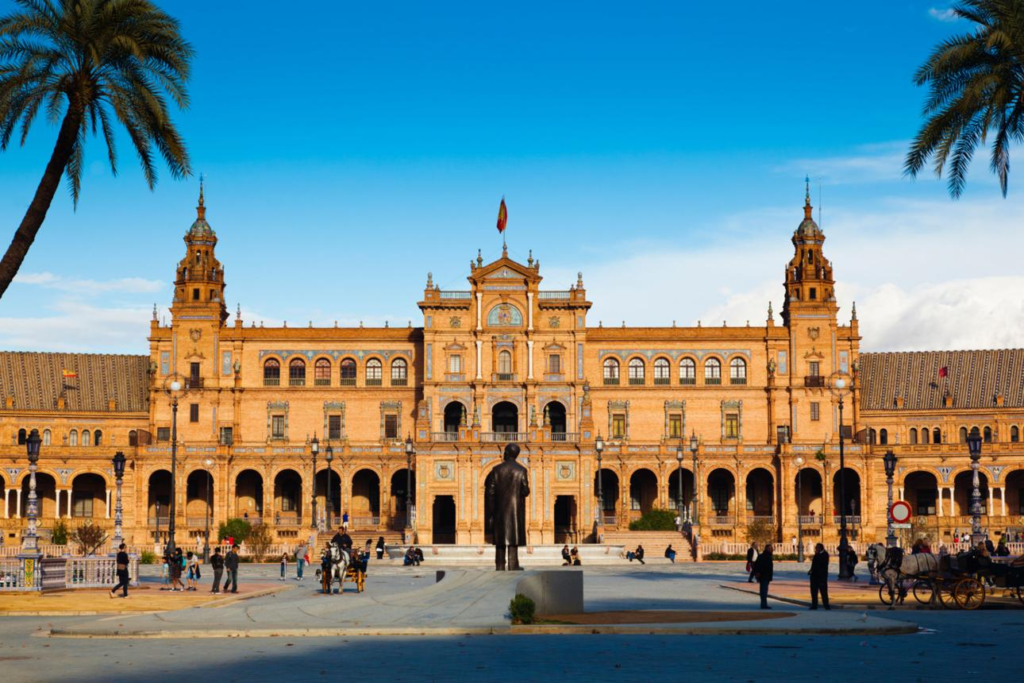
Seville is also considered the birthplace of flamenco, making it one of the best places in Spain to experience traditional music and dance performances.
Granada – Home of the Alhambra
Granada is internationally famous for the spectacular Alhambra, one of Europe’s most impressive architectural masterpieces.
This UNESCO World Heritage Site showcases breathtaking Islamic architecture, beautiful gardens, intricate courtyards, and panoramic views of the city.
Other highlights include:
- Albaicín
- Generalife Gardens
- Granada Cathedral
- Sacromonte
- Mirador de San Nicolás
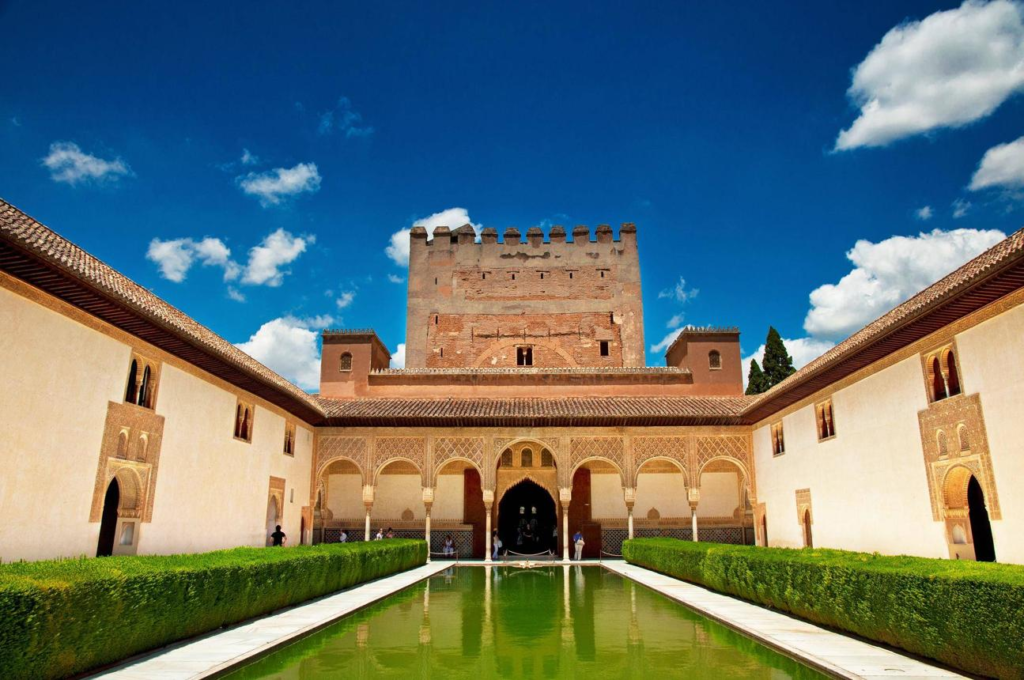
The city perfectly blends Moorish history with vibrant modern Spanish culture.
If you’re passionate about history and architecture, you should visit Andalusia to explore the magnificent Alhambra.
Córdoba – A Living Museum
Córdoba preserves one of the richest historical legacies in Spain.
Its most iconic attraction is the magnificent Mosque-Cathedral of Córdoba, an extraordinary monument reflecting centuries of religious and cultural history.
Visitors also enjoy:
- Roman Bridge
- Jewish Quarter
- Alcázar de los Reyes Cristianos
- Flower-filled patios
- Historic plazas

Walking through Córdoba feels like stepping back through centuries of European history.
Málaga – Where Culture Meets the Coast
Although known for its beautiful beaches, Málaga offers much more than a traditional seaside holiday.
The city combines:
- Mediterranean coastline
- Art museums
- Historic castles
- Excellent shopping
- Fine dining
- Vibrant nightlife
Top attractions include:
- Alcazaba
- Gibralfaro Castle
- Picasso Museum
- Málaga Cathedral
- Muelle Uno

Its international airport also makes Málaga one of Andalusia’s main gateways.
Ronda – One of Spain’s Most Spectacular Towns
Perched dramatically above a deep gorge, Ronda is one of Andalusia’s most iconic destinations.
Its breathtaking scenery, historic architecture, and peaceful atmosphere attract visitors from around the world.
Must-see attractions include:
- Puente Nuevo (New Bridge)
- El Tajo Gorge
- Plaza de Toros
- Arab Baths
- Historic Old Town
- Scenic viewpoints
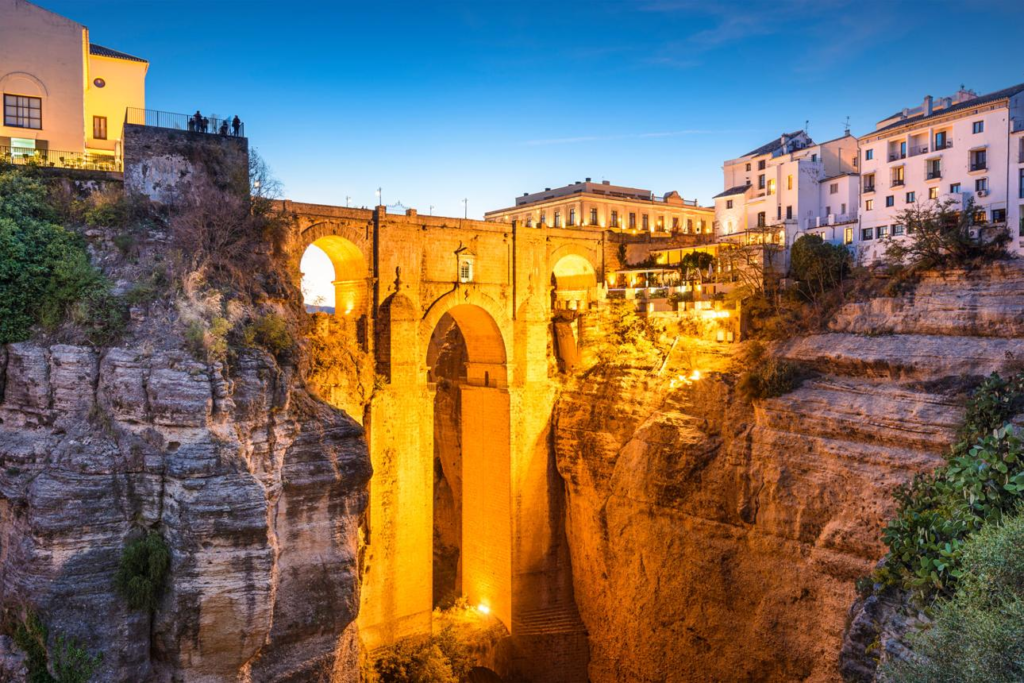
The panoramic views from Ronda make it one of the most photographed towns in Spain.
The White Villages (Pueblos Blancos)
Scattered across the Andalusian countryside, the famous White Villages offer visitors a glimpse into traditional Spanish life.
These picturesque towns are known for:
- Whitewashed houses
- Narrow cobbled streets
- Flower-filled balconies
- Mountain landscapes
- Quiet village squares
Some of the most beautiful villages include:
- Zahara de la Sierra
- Grazalema
- Frigiliana
- Mijas Pueblo
- Setenil de las Bodegas

These charming destinations are perfect for slow travel and authentic cultural experiences.
Relax Along the Costa del Sol
Andalusia is also home to one of Europe’s most famous coastlines.
The Costa del Sol stretches along the Mediterranean and offers:
- Sandy beaches
- Luxury resorts
- Beachfront restaurants
- Marinas
- Water sports
- Beautiful sunsets
Popular destinations include:
- Marbella
- Estepona
- Nerja
- Fuengirola
- Torremolinos
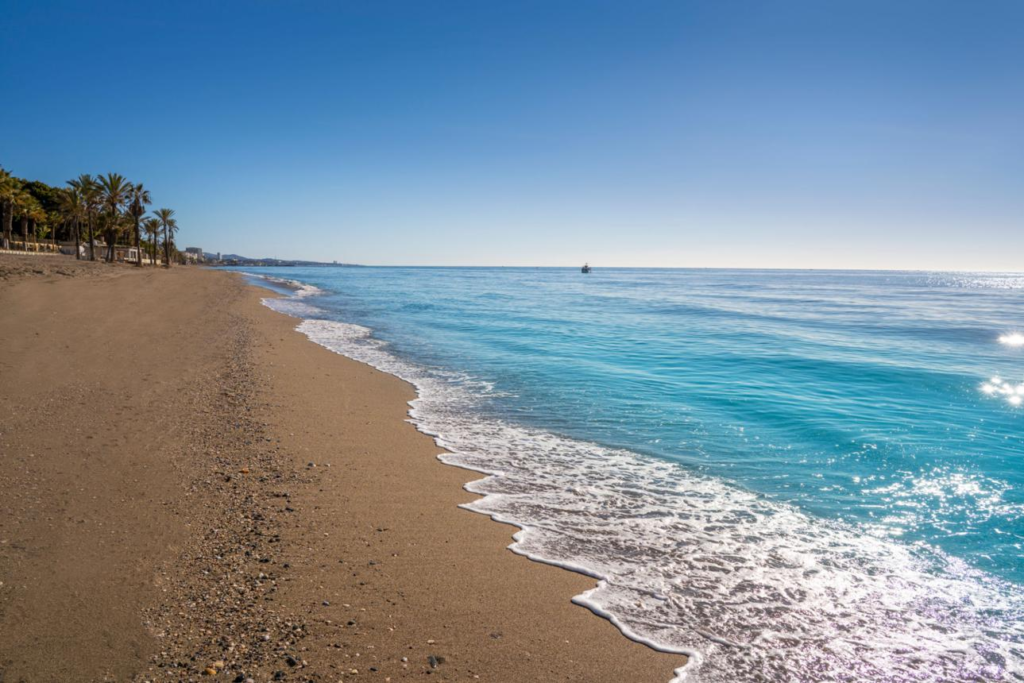
Whether you’re looking for relaxation or vibrant nightlife, the Costa del Sol caters to every travel style.
Discover Andalusian Cuisine
Food plays an important role in Andalusian culture.
Visitors should not miss local specialties such as:
- Gazpacho
- Salmorejo
- Jamón Ibérico
- Espetos de Sardinas
- Fried seafood
- Churros with hot chocolate
- Olive oil from Jaén
- Traditional tapas

Dining in Andalusia is about more than food—it’s an opportunity to experience local traditions and hospitality.
Experience Authentic Flamenco
No visit to Andalusia is complete without experiencing flamenco.
Recognized by UNESCO as Intangible Cultural Heritage, flamenco combines:
- Passionate singing
- Expressive dancing
- Guitar performances
- Traditional costumes

Cities such as Seville, Granada, and Jerez de la Frontera are considered among the best places to enjoy authentic flamenco performances.
Hidden Gems Beyond the Famous Cities
While Seville, Granada, and Málaga receive most of the attention, Andalusia offers countless hidden treasures.
Travelers looking to explore beyond the usual tourist routes should consider:
- Cabo de Gata Natural Park
- Caminito del Rey
- Sierra Nevada National Park
- Doñana National Park
- Úbeda
- Baeza
- Antequera
- Vejer de la Frontera
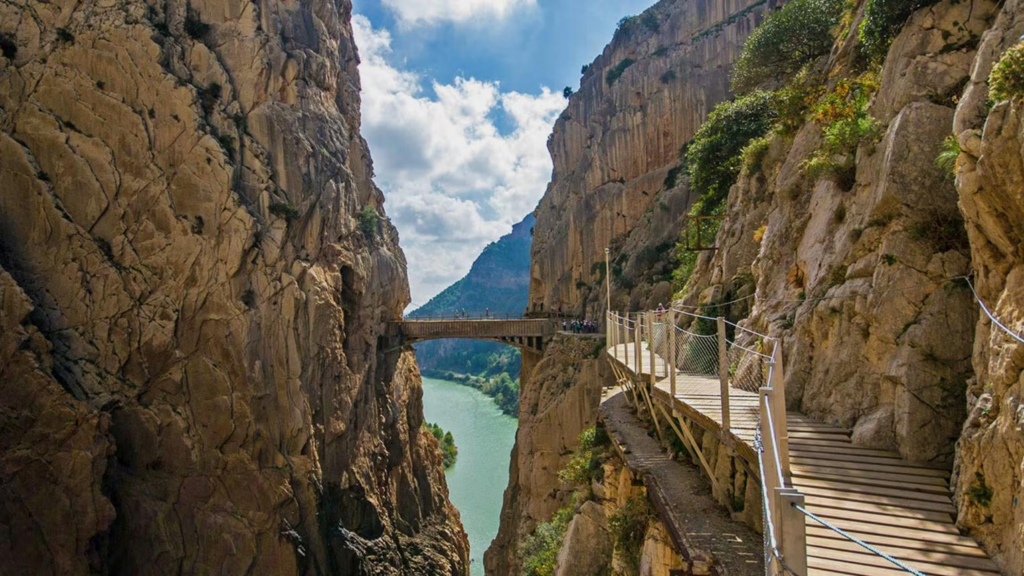
These destinations provide spectacular landscapes and a quieter travel experience.
How to Travel Around Andalusia
To fully visit Andalusia and explore several cities, planning your transportation in advance is highly recommended.
The region is well connected through modern transportation networks.
Visitors can travel using:
- High-speed trains
- Regional trains
- Rental cars
- Intercity buses
- Domestic flights
- Private transfers
For travelers visiting several cities during one trip, private transportation offers additional comfort and flexibility, especially when traveling with luggage or family members.
Popular travel routes include:
- Seville to Granada
- Málaga to Marbella
- Granada to Córdoba
- Seville to Ronda
- Málaga to Nerja
Explore Andalusia Comfortably with Tour Passion
Travelers who visit Andalusia often explore multiple cities during one trip. Reliable transportation between airports, hotels, historic attractions, and coastal destinations makes the journey far more comfortable and convenient.
Tour Passion provides premium travel solutions across Spain and Europe, helping visitors enjoy smooth journeys between airports, hotels, historic cities, coastal resorts, and major attractions.
Services include:
- Airport Transfers
- Private Chauffeur Services
- Executive Sedans
- Luxury SUVs
- Mercedes-Benz V-Class
- Luxury Minivans
- Coach & Bus Rentals
- Multi-City Transfers
- Corporate Transportation
- Group Travel Solutions

Whether you’re planning to visit Andalusia for a cultural tour through Seville, Granada, Córdoba, and Ronda or relax along the Costa del Sol, comfortable transportation allows you to make the most of every destination while enjoying a smooth and stress-free journey.
After exploring its magnificent cities, dramatic landscapes, beautiful coastline, and rich cultural traditions, it’s easy to understand why Andalusia should be on every traveler’s bucket list. Few destinations combine such incredible diversity within a single region—from the grandeur of the Alhambra and the energy of Seville to the whitewashed villages and sun-drenched beaches of the Costa del Sol.

Whether you’re seeking history, gastronomy, adventure, relaxation, or authentic Spanish culture, Andalusia offers unforgettable experiences throughout the year. With thoughtful planning and comfortable transportation between destinations, visitors can fully appreciate everything this remarkable region has to offer and create memories that last a lifetime.
Frequently Asked Questions
What is Andalusia famous for?
Andalusia is renowned for its Moorish architecture, flamenco, white villages, Mediterranean beaches, historic cities, and exceptional cuisine.
How many days should I spend in Andalusia?
A 7 to 10-day itinerary allows visitors to explore several of the region’s most famous destinations at a comfortable pace.
Is Andalusia suitable for family holidays?
Yes. Andalusia offers family-friendly beaches, cultural attractions, national parks, and outdoor activities suitable for travelers of all ages.
Which city should I visit first?
Seville is often the ideal starting point because of its excellent transport connections and iconic attractions.
What is the best way to travel between Andalusian cities?
High-speed trains connect several major cities, while private transfers provide greater flexibility and convenience for travelers visiting multiple destinations.
Suggested For You
Multi-Country Europe Tour Package – 11 Days
Switzerland France Tour Package – 12 Days
Luxury Transfer Services in Europe
Recommended Europe Travel Services
Paris coach hire,
Paris chauffeur service,
Schiphol airport transfers,
Amsterdam airport taxi,
Paris airport transfer,
Europe coach rental,
Barcelona airport transfers,
Barcelona transportation,
Luxury Europe travel,
Interlaken transfers,
Davos transfers,
Italy chauffeur services,
Paris car rentals,
Grand Paris taxi services,
Paris CDG taxi,