

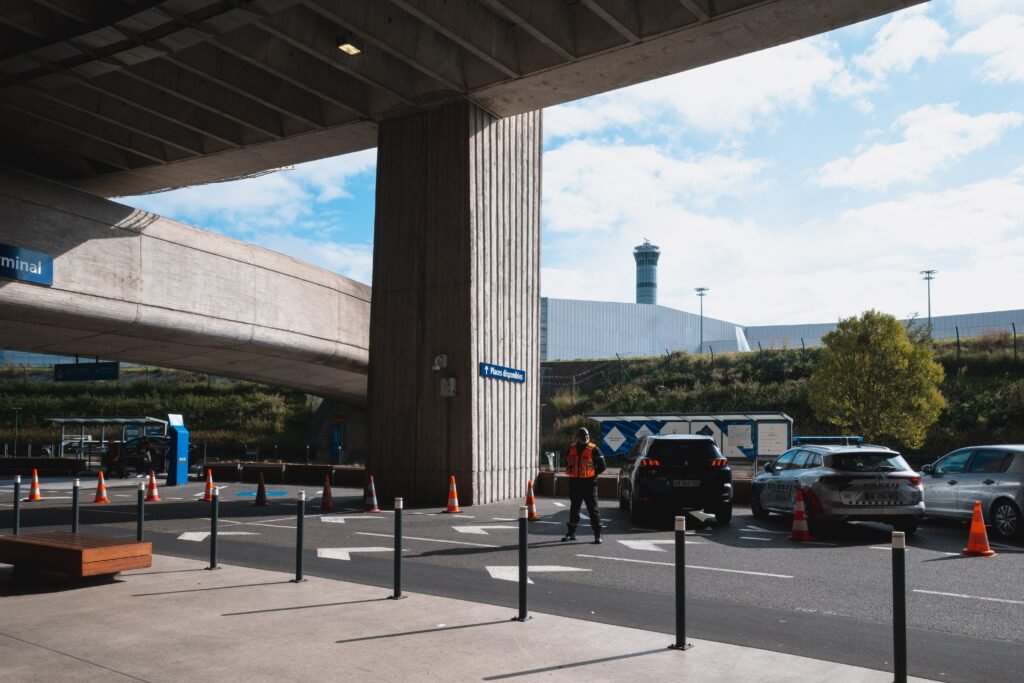
EU Entry Exit System 2026 Could Continue Impacting Travelers Across Europe
EU Entry Exit System 2026 is continuing to generate discussion across the travel industry after officials warned that border delays linked to the new biometric border control system could take up to two years to fully stabilize.
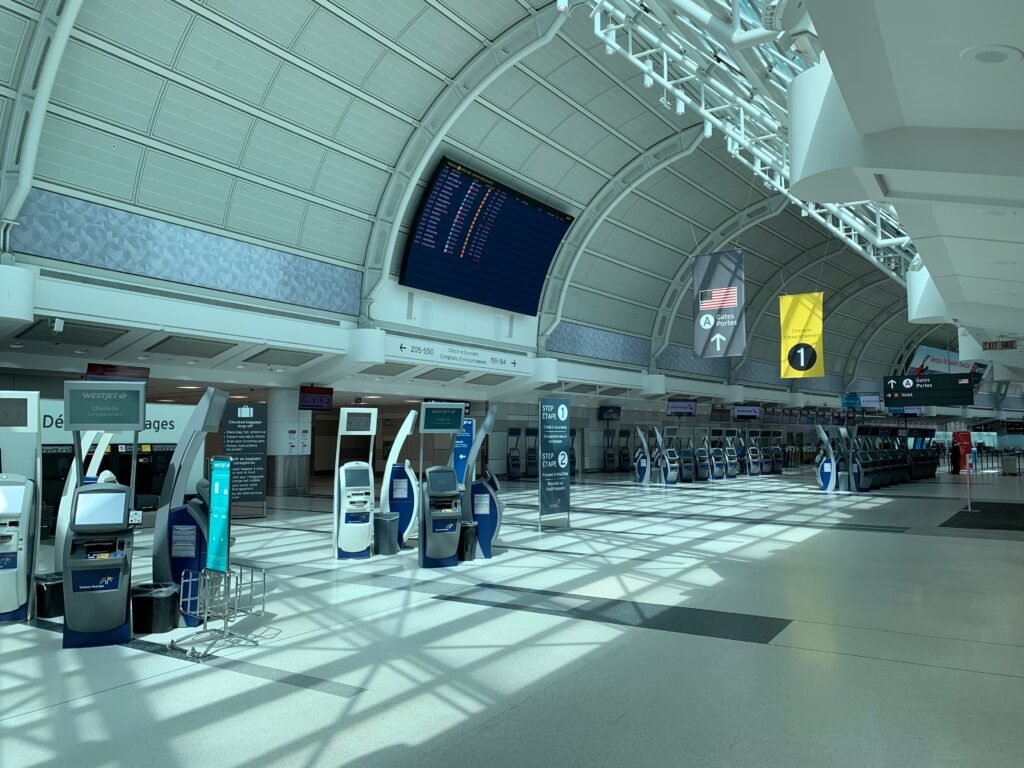
The Entry/Exit System (EES) was introduced to modernize border management across the Schengen Area by replacing traditional passport stamps with digital records, facial recognition, and fingerprint verification for non-EU travelers. While the system is designed to improve security and efficiency in the long term, the transition period has created challenges at several airports, ports, and border crossings across Europe.
What Is the EU Entry Exit System 2026?
The EU Entry Exit System 2026 is a digital border management platform that records the entry and exit of non-EU travelers entering participating Schengen countries.
Under the system, travelers may be required to provide biometric information such as fingerprints and facial images during their first registration. The collected information is stored digitally, helping authorities monitor travel movements and improve border security procedures.
The system represents one of the most significant changes to European border procedures in recent years and affects millions of international travelers visiting Europe each year.
Officials Warn Delays Could Continue for Two Years
Recent comments from officials involved in the implementation of the system suggest that border procedures may require additional time before becoming fully efficient.
According to representatives from Frontex, the EU agency responsible for supporting border management operations, the most challenging stage involves the initial biometric registration process. Officials indicated that the situation could take between one and two years to fully stabilize as member states continue adapting infrastructure, staffing, and operational procedures.
The warning has raised concerns across the travel industry as Europe enters one of its busiest travel seasons.
Why Are Travelers Experiencing Delays?
Several factors are contributing to delays associated with EU Entry Exit System 2026:
- First-time biometric registration requirements
- Fingerprint and facial image collection procedures
- Different implementation speeds across European countries
- High passenger volumes during peak travel periods
- Staff training and operational adjustments
Travel experts note that even small increases in processing times can create significant queues when thousands of passengers arrive simultaneously at major airports and border crossings.
Airports and Border Crossings Facing Challenges
Reports from across Europe indicate that some of the busiest travel hubs have experienced longer waiting times since the wider implementation of the Entry/Exit System.
Popular tourist destinations in Spain, Portugal, France, and Italy have reported operational challenges as authorities continue refining procedures. Industry organizations have warned that delays could become more noticeable during major holiday periods when passenger numbers increase substantially.
While many locations have adapted successfully, others continue to face implementation difficulties as the system evolves.
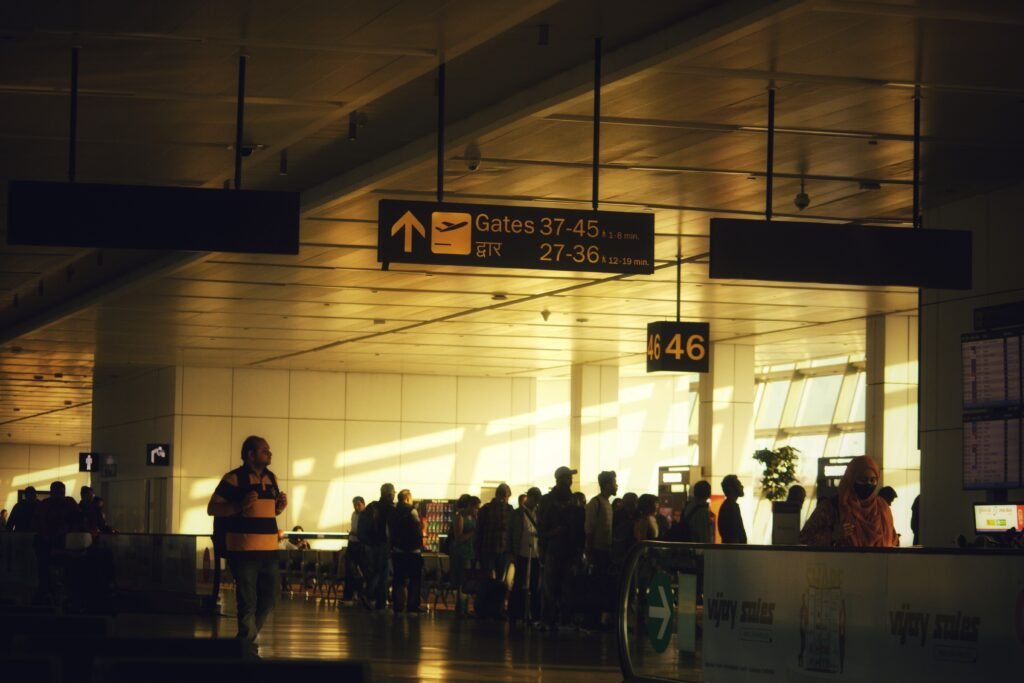
How the Travel Industry Is Responding
The travel and aviation sectors are closely monitoring developments related to EU Entry Exit System 2026.
Airports, airlines, tour operators, and transportation providers are encouraging travelers to allow additional time for border procedures, particularly when entering Europe for the first time under the new system.
Industry groups have also called for consistent implementation across member states to reduce confusion and improve the overall traveler experience.
Travel Industry Perspective
According to travel experts at Tour Passion, travelers planning multi-country European itineraries should allow extra time for airport arrivals, border procedures, and transportation connections while EU Entry Exit System 2026 continues to be implemented across Europe.
As travel demand remains strong throughout 2026, careful planning and flexible scheduling can help travelers minimize the impact of potential delays and enjoy a smoother journey across multiple destinations.
What Travelers Should Do
Travelers visiting Europe in 2026 can take several steps to prepare:
- Arrive at airports earlier than usual.
- Monitor airline and airport notifications.
- Keep travel documents readily accessible.
- Allow additional time between flights, trains, and transfers.
- Stay informed about entry requirements before departure.
These measures can help reduce stress and improve travel experiences while border authorities continue refining procedures.
Looking Ahead
Despite current challenges, EU Entry Exit System 2026 is expected to become an important part of Europe’s long-term border management strategy.
Officials remain confident that the system will eventually deliver more efficient processing, improved security, and better management of international travel flows. However, travelers may need to remain patient as implementation efforts continue across Europe over the coming months and years.
Conclusion
EU Entry Exit System 2026 represents a major transformation in European border management. While the system promises long-term benefits, current implementation challenges are contributing to delays at some airports and border crossings.
With officials warning that stabilization could take up to two years, travelers are encouraged to plan ahead, allow extra time for border procedures, and stay informed about the latest travel updates before visiting Europe.
Frequently Asked Questions
What is EU Entry Exit System 2026?
EU Entry Exit System 2026 is a biometric border management system that digitally records the entry and exit of non-EU travelers entering participating Schengen countries.
Why are border delays occurring?
Delays are primarily linked to first-time biometric registration procedures, infrastructure adjustments, and increased passenger volumes.
How long could delays continue?
Officials have indicated that the system may take one to two years to fully stabilize.
Which travelers are affected?
The system primarily affects non-EU travelers entering participating Schengen countries.
Should travelers still visit Europe?
Yes. Europe remains fully accessible to international visitors, although travelers should allow additional time for border procedures while the new system continues to be refined.
Suggested For You
Germany Transit Visa Removed For Indians