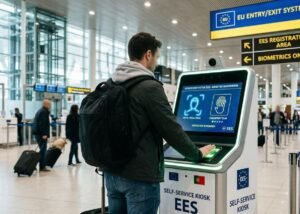


Tourist Taxes in Europe 2026 are becoming one of the most important travel updates for anyone planning a European holiday. As tourism continues to recover and visitor numbers reach record highs, many destinations are introducing or expanding tourist taxes, visitor levies, and entry fees to help manage overtourism, maintain historic landmarks, and improve local infrastructure.

From Venice’s proposed higher day-trip entry fee to Scotland’s new visitor levy and discussions around similar measures in Ireland, travelers are being encouraged to include these additional costs in their travel budgets. While these fees are generally modest, they vary significantly depending on the city, accommodation type, and season.
Why Are European Cities Introducing Tourist Taxes?
Understanding Tourist Taxes in Europe 2026 helps travelers prepare their budgets before arriving in popular European destinations.
Tourist taxes are not entirely new, but more European destinations are now viewing them as an important tool for sustainable tourism.
The main objectives include:
- Managing overtourism
- Supporting the maintenance of historic landmarks
- Funding public transport and infrastructure
- Improving waste management
- Preserving cultural heritage
- Enhancing the visitor experience
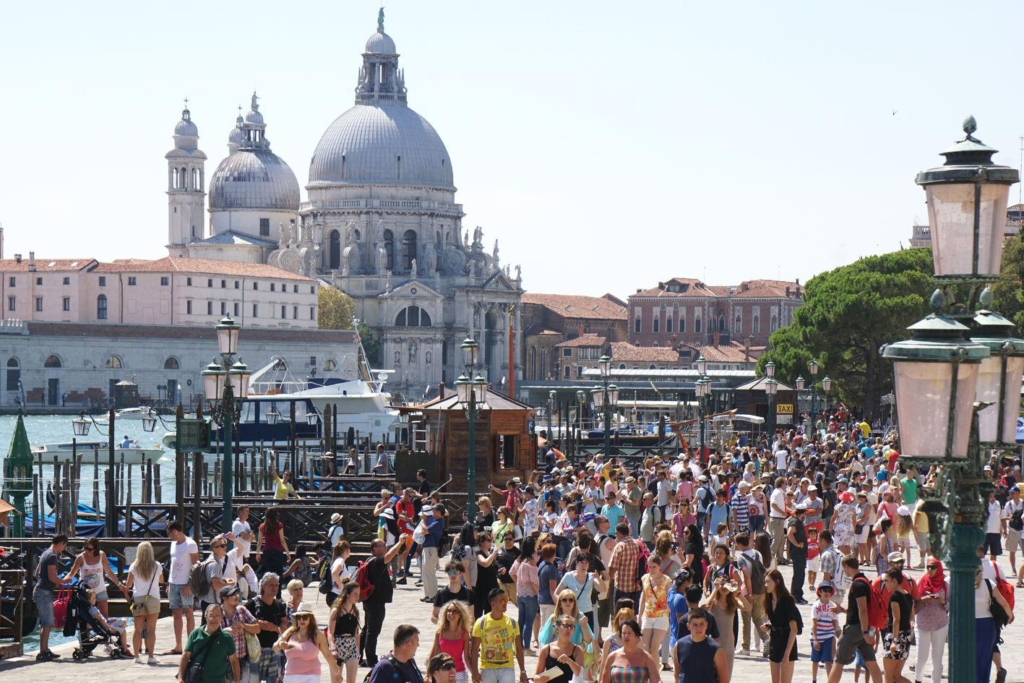
Rather than discouraging tourism, city authorities say these taxes help ensure destinations remain enjoyable for both residents and visitors.
Venice Plans Higher Entry Fees
Venice continues to lead Europe’s efforts to tackle overtourism.
Following the introduction of its day-tripper entry system, the city’s administration has proposed a dynamic pricing model that could increase the entry fee to as much as €50 on the busiest days, replacing the current flat-rate approach. Officials believe demand-based pricing could better spread visitor numbers while helping fund the city’s significant maintenance costs. The proposal is currently awaiting approval from the Italian government.
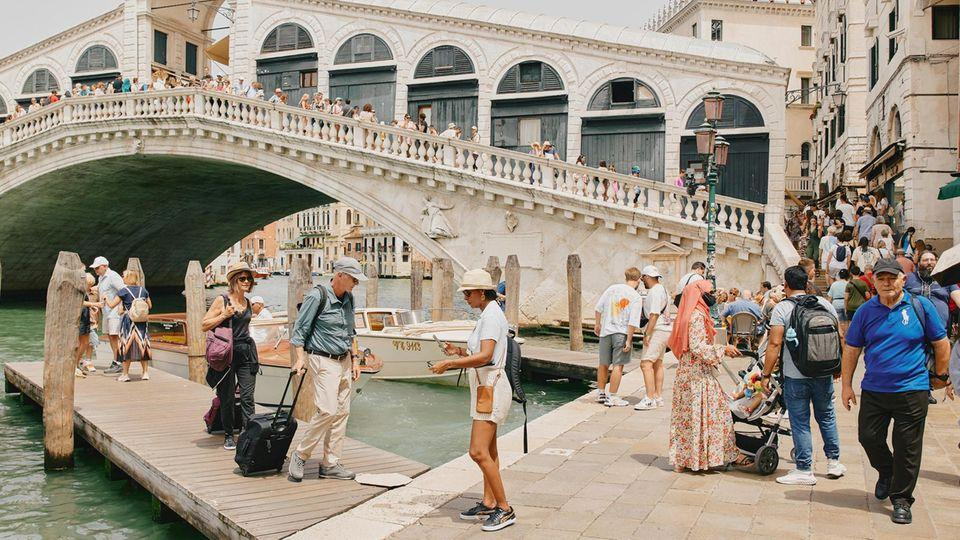
Current proposals include:
- Higher fees during peak demand
- Online booking system
- QR code verification
- Exemptions for overnight guests and residents
Scotland’s Visitor Levy Begins
Scotland has also entered a new phase of tourism management.

The City of Edinburgh is set to become the first Scottish local authority to introduce a Visitor Levy in 2026. The charge will apply to overnight accommodation, with revenue intended to support tourism infrastructure, city improvements, and visitor services. Other Scottish councils are also considering similar measures.
Ireland Considering a Tourism Tax
Ireland is currently discussing legislation that would allow local authorities to introduce a visitor levy on overnight accommodation.
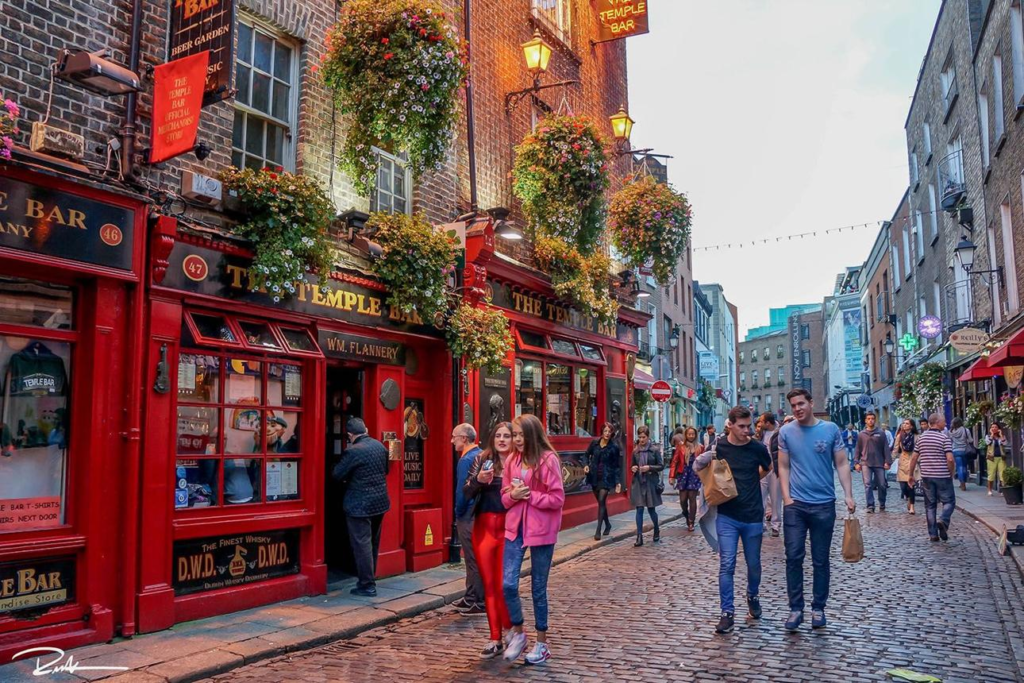
Under proposals being debated, hotel guests could pay up to €5 per night, depending on the accommodation category and local authority decisions. Supporters argue the revenue could improve tourism facilities, while hotel groups have expressed concerns about competitiveness.
France Continues Premium Pricing for Non-European Visitors
While not a traditional city tourist tax, France has continued its differentiated pricing policy at several major cultural attractions.

Since January 2026, selected landmarks—including the Louvre and the Palace of Versailles—charge higher admission fees for visitors from outside the European Union. The additional revenue is being used to support restoration projects and preserve historic monuments. Early reports suggest the higher prices have not significantly reduced international visitor numbers.
More Cities Focusing on Sustainable Tourism
Across Europe, authorities are increasingly introducing measures designed to balance tourism growth with residents’ quality of life.
These include:
- Tourist accommodation taxes
- Day-visitor entry fees
- Cruise passenger levies
- Vehicle restrictions in historic centres
- Capacity management during peak seasons
The overall trend reflects a shift towards more sustainable tourism policies rather than limiting travel altogether.
Which European Destinations Charge Tourist Taxes?
Although tourist taxes vary by destination, many popular European cities now apply accommodation taxes, visitor levies, or entry fees.
Some of the best-known examples include:
| Destination | Type of Charge |
|---|---|
| Venice | Day visitor entry fee |
| Barcelona | Accommodation tax + city surcharge |
| Amsterdam | Percentage-based accommodation tax |
| Paris | Accommodation tax based on hotel category |
| Rome | Nightly accommodation tax |
| Brussels | Overnight visitor tax |
| Edinburgh | Visitor levy on accommodation |
| Greece | Cruise passenger fees at selected islands |
Before booking accommodation, travelers should review the latest Tourist Taxes in Europe 2026 to avoid unexpected charges during their trip.
Several governments are also considering additional measures as visitor numbers continue to increase.
How Much Could Travelers Pay?
The latest Tourist Taxes in Europe 2026 vary depending on the destination, accommodation type, and length of stay.
The total amount depends on:
- Hotel category
- Length of stay
- Season
- Destination
- Type of accommodation
Examples include:
- Barcelona’s accommodation taxes can exceed €10 per person per night for luxury hotels following recent increases.
- Edinburgh’s Visitor Levy applies a 5% charge on accommodation costs for up to five nights.
- Venice currently charges day visitors €5–€10, while officials are proposing a variable fee of up to €50 during periods of exceptionally high demand.
While these charges may seem small individually, they can noticeably increase the overall cost of longer European holidays.
How Tourist Taxes Affect Travel Planning
For most visitors, tourist taxes are unlikely to change travel plans.
Instead, they encourage travelers to:
- Budget more accurately
- Book accommodation in advance
- Stay overnight rather than make day trips
- Visit during quieter periods
- Consider lesser-known destinations
Many tourism experts believe these measures help balance visitor numbers while protecting historic cities from excessive overcrowding.
Tips for Budgeting Tourist Taxes
Before booking your accommodation:
- Check whether tourist taxes are included in the room price.
- Read your hotel’s payment policy carefully.
- Carry a small amount of local currency where required.
- Allow extra room in your travel budget.
- Confirm the latest charges before arrival, as local rules may change.

Planning ahead helps avoid unexpected costs during your trip.
Travelers who understand Tourist Taxes in Europe 2026 can better estimate the total cost of their European holiday and avoid unexpected expenses.
Travel Comfortably Despite Changing Travel Rules
Keeping up with Tourist Taxes in Europe 2026 allows visitors to plan smoother and more cost-effective European holidays.
As European travel regulations continue to evolve, efficient transportation becomes even more valuable.
Many visitors now prefer arranging airport transfers and intercity transportation before arrival to reduce stress and simplify their journeys.
Tour Passion provides premium transportation services across Europe, helping travelers move comfortably between airports, hotels, and major destinations.
Services include:
- Airport Transfers
- Private Chauffeur Services
- Executive Sedans
- Luxury SUVs
- Mercedes-Benz V-Class
- Luxury Minivans
- Coach & Bus Rentals
- Multi-City Transfers
- Corporate Transportation
- Group Travel Solutions

Whether you’re exploring cities introducing new visitor levies or planning a multi-country European itinerary, reliable transportation allows you to focus on enjoying your holiday.
As Tourist Taxes in Europe 2026 continue to evolve, careful planning allows visitors to enjoy Europe’s top destinations with greater confidence and convenience.
Staying informed about Tourist Taxes in Europe 2026 is essential for anyone planning a smooth, well-budgeted, and hassle-free trip across Europe.
Tourist Taxes in Europe 2026 reflect a growing commitment to sustainable tourism across the continent. As destinations face increasing visitor numbers, many local authorities are introducing accommodation taxes, entry fees, and visitor levies to protect historic landmarks, improve infrastructure, and enhance the overall travel experience.
For travelers, these charges simply mean planning a little more carefully and including them in the overall travel budget. Staying informed about Tourist Taxes in Europe 2026 helps travelers budget accurately while continuing to enjoy Europe’s most iconic destinations.
Frequently Asked Questions
Understanding Tourist Taxes in Europe 2026 helps travelers budget more accurately while planning multi-city European vacations.
Why are more European cities introducing tourist taxes?
Most cities use tourist taxes to support infrastructure, preserve cultural heritage, manage overtourism, and improve public services for both residents and visitors.
Do all European cities charge tourist taxes?
No. Tourist taxes vary widely by country and municipality. Some destinations charge accommodation taxes, while others apply entry fees or visitor levies.
Do I pay tourist taxes when booking online?
Sometimes. Certain booking platforms include them in the total price, while others require payment directly at the hotel upon arrival.
Can tourist tax rates change?
Yes. Local governments regularly review visitor levies and may increase or modify them depending on tourism demand and local policies.
Should tourist taxes stop me from visiting Europe?
Generally, no. Most tourist taxes represent a relatively small percentage of the total cost of a European holiday and are intended to improve the long-term sustainability of popular destinations.
Suggested For You
Germany Transit Visa Removed For Indians
Thailand Tourist Visa Rules 2026
Important Amsterdam Tourist Tax 2026 Changes
Monaco Yacht Show 2026 Continues to Attract Global Luxury Travelers and Industry Leaders
10 Magical Best Christmas Markets in Europe 2026
Monaco Grand Prix Travel Guide
How to Travel Between Europe’s Biggest Festivals
Paris Tourism and Mobility Initiatives