
Paris Tourism and Mobility Initiatives are at the center of several new measures designed to improve visitor experiences, support sustainable tourism, and enhance transportation throughout the French capital.
Paris has introduced a range of tourism and mobility initiatives aimed at improving the visitor experience, supporting sustainable tourism, and creating a more accessible and environmentally friendly city. These measures form part of the French capital’s broader strategy to manage growing visitor numbers while enhancing quality of life for residents and travelers alike.

As one of the world’s most visited destinations, Paris continues to invest in tourism infrastructure, sustainable mobility solutions, and urban improvements that shape how visitors explore the city.
Why Paris Is Focusing on Tourism and Mobility
The latest Paris Tourism and Mobility Initiatives are designed to balance visitor growth with environmental sustainability.
Paris welcomes millions of international visitors each year. As tourism continues to grow, city authorities have emphasized the importance of balancing visitor demand with sustainability, accessibility, and efficient transportation systems.
Recent initiatives focus on:
- Sustainable tourism development
- Improved visitor mobility
- Reduced traffic congestion
- Enhanced cycling infrastructure
- Better pedestrian accessibility
- More environmentally responsible travel experiences
The city’s long-term objective is to create a tourism model that benefits visitors, residents, and local businesses while reducing environmental impacts.
Sustainable Tourism Initiatives
Many of the Paris Tourism and Mobility Initiatives focus on encouraging responsible travel experiences across the city.
Paris has increased its efforts to promote sustainable tourism practices across the city.
The Paris tourism authorities have introduced resources and guidance designed to help tourism stakeholders adopt more environmentally responsible practices. These initiatives encourage businesses to reduce their environmental footprint while maintaining high-quality visitor experiences.
The city’s broader tourism strategy also highlights:
- Responsible travel experiences
- Better distribution of visitor flows
- Promotion of lesser-known neighborhoods
- Long-term sustainability planning
- Innovation within the tourism sector
These priorities are reflected in tourism trend reports and policy initiatives developed in partnership with public and private stakeholders.

Expansion of Mobility Improvements
The Paris Tourism and Mobility Initiatives also support investments in cleaner and more efficient transportation networks.
Mobility remains a key component of Paris’s urban development strategy.
The city’s Local Mobility Plan includes measures designed to improve transportation efficiency, reduce emissions, and create safer public spaces. Key objectives include:
- Decarbonizing transportation
- Improving accessibility
- Supporting active mobility
- Reducing traffic impacts
- Adapting public spaces for future mobility needs
These efforts are intended to benefit both residents and visitors navigating the city.

Continued Growth of Cycling Infrastructure
Paris has become increasingly recognized as a cycling-friendly destination.
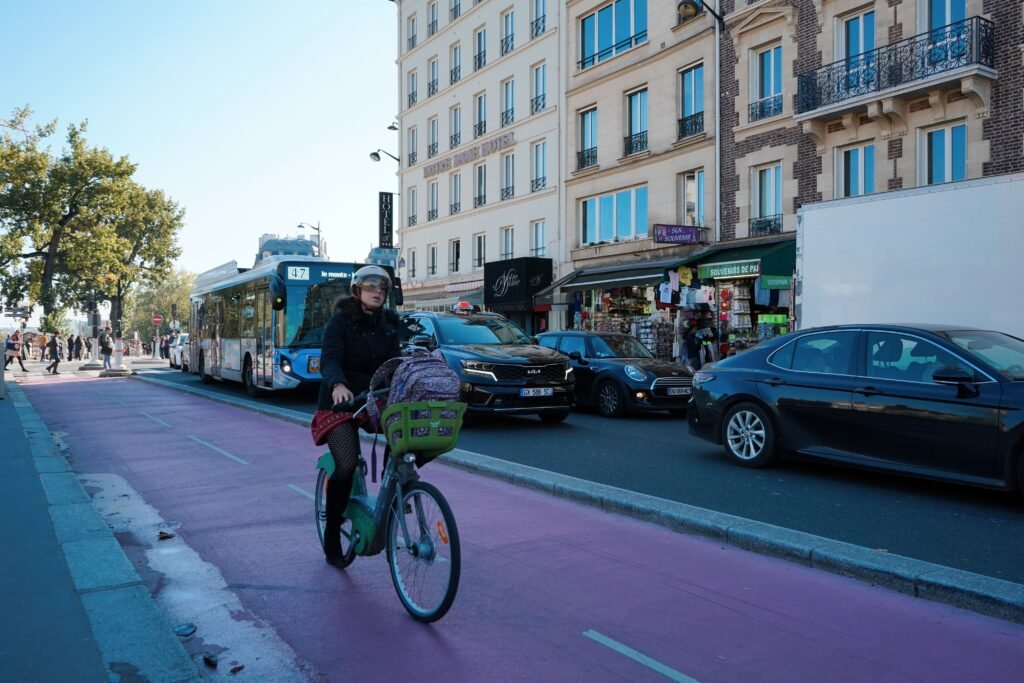
Over recent years, the city has expanded its cycling network significantly and continues to invest in additional bicycle infrastructure. The broader objective is to encourage more sustainable transportation options while reducing dependence on private vehicles.
For visitors, this means greater access to:
- Dedicated cycling routes
- Bicycle-sharing services
- Safer urban cycling networks
- Improved connections between major attractions
Cycling is increasingly becoming a practical way to explore many parts of Paris.

Enhanced Pedestrian-Friendly Areas
Several Paris Tourism and Mobility Initiatives aim to create more walkable and visitor-friendly public spaces.
Another important aspect of Paris’s mobility transformation is the expansion of pedestrian-oriented spaces.
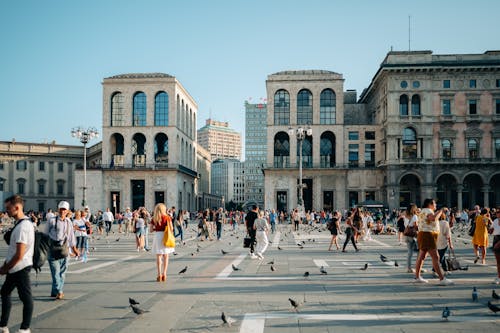
City initiatives have focused on reducing vehicle traffic in selected areas and increasing the amount of space available for walking, public gatherings, and recreational use. Several projects have contributed to making central Paris more accessible for pedestrians while enhancing the visitor experience.
Visitors may notice:
- More walkable districts
- Expanded pedestrian zones
- Improved public spaces
- Enhanced riverfront areas
- Better connections between attractions
Transportation and Visitor Experience
Improving mobility is not solely about environmental goals. It also plays an important role in tourism.
Efficient transportation networks help visitors move between airports, hotels, museums, shopping districts, and cultural landmarks more comfortably. Paris continues to invest in transportation improvements designed to support increasing visitor numbers while maintaining accessibility and convenience.
What These Changes Mean for Travelers
For international visitors, the Paris Tourism and Mobility Initiatives may result in a smoother and more sustainable travel experience.
For visitors, the latest tourism and mobility initiatives may result in:
- Easier movement throughout the city
- More sustainable travel options
- Improved public spaces
- Better cycling opportunities
- Enhanced pedestrian experiences
- Reduced traffic in key tourism areas
Travelers planning future visits to Paris may find that the city continues to prioritize accessibility, sustainability, and visitor comfort.
Transportation Planning for Paris Visitors
As Paris continues to evolve its tourism and mobility landscape, transportation planning remains an important part of any visit.
Whether arriving at the airport, attending business meetings, exploring cultural attractions, or traveling between multiple European destinations, organizing transportation arrangements in advance can help create a smoother travel experience.
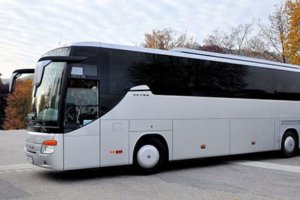
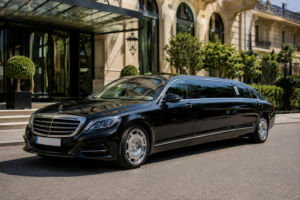
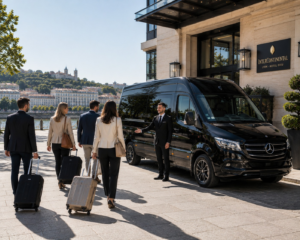
Tour Passion supports travelers across Europe with airport transfers, chauffeur services, executive sedans, luxury SUVs, Mercedes-Benz V-Class transportation, coach rentals, group transportation solutions, and customized multi-city travel planning.
Paris Tourism and Mobility Initiatives demonstrate how the French capital continues to adapt to changing tourism trends while improving accessibility and sustainability. Through investments in tourism planning, cycling infrastructure, pedestrian spaces, and transportation improvements, Paris continues to adapt to changing traveler expectations while preserving its position as one of the world’s leading tourism destinations.

Frequently Asked Questions
Why is Paris introducing new tourism initiatives?
Paris aims to promote sustainable tourism, improve visitor experiences, and better balance tourism growth with environmental and community considerations.
What are Paris’s mobility initiatives?
The initiatives include transportation improvements, cycling infrastructure expansion, pedestrian-friendly developments, and measures designed to reduce environmental impacts from urban mobility.
Is Paris becoming more bicycle-friendly?
Yes. Paris has continued expanding cycling infrastructure and promoting cycling as an alternative transportation option.
How do these initiatives affect tourists?
Visitors may benefit from improved transportation networks, better pedestrian access, enhanced cycling facilities, and a more sustainable tourism environment.
Are these changes part of a long-term strategy?
Yes. Many of the initiatives form part of broader long-term plans focused on sustainability, accessibility, and urban mobility.
Suggested For You
Germany Transit Visa Removed For Indians
Thailand Tourist Visa Rules 2026
Important Amsterdam Tourist Tax 2026 Changes
Monaco Yacht Show 2026 Continues to Attract Global Luxury Travelers and Industry Leaders
10 Magical Best Christmas Markets in Europe 2026