
Europe continues to strengthen its border management systems and improve travel procedures, making 2026 an important year for anyone planning a trip to the Schengen Area. While the standard Schengen visa application process remains largely unchanged, several new border management measures and travel policies are influencing how international visitors enter and travel across Europe.

The Latest Schengen Visa Updates for International Travelers include the continued implementation of the Entry/Exit System (EES), the latest information on the upcoming European Travel Information and Authorisation System (ETIAS), and practical guidance for travelers preparing for their European journey. These developments are designed to improve border security while making travel across the Schengen Area more efficient.
Whether you’re visiting Europe for tourism, business, education, or a cruise holiday, staying informed about these recent travel developments can help you avoid delays, prepare the correct documentation, and enjoy a smoother arrival experience.
Entry/Exit System (EES) Is Now Fully Operational
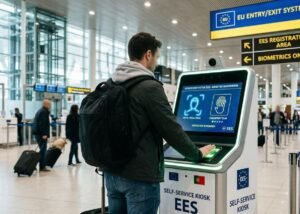
One of the biggest changes is the full implementation of the Entry/Exit System (EES) across the Schengen Area. Following its European Union-wide rollout, the Entry/Exit System (EES) is now fully operational across participating Schengen countries. It has replaced traditional passport stamping with digital entry and exit records for many non-EU nationals traveling for short stays.
Instead of receiving passport stamps, travelers now have their:
- Passport information recorded digitally
- Facial image captured
- Fingerprints collected
- Entry and exit dates stored electronically
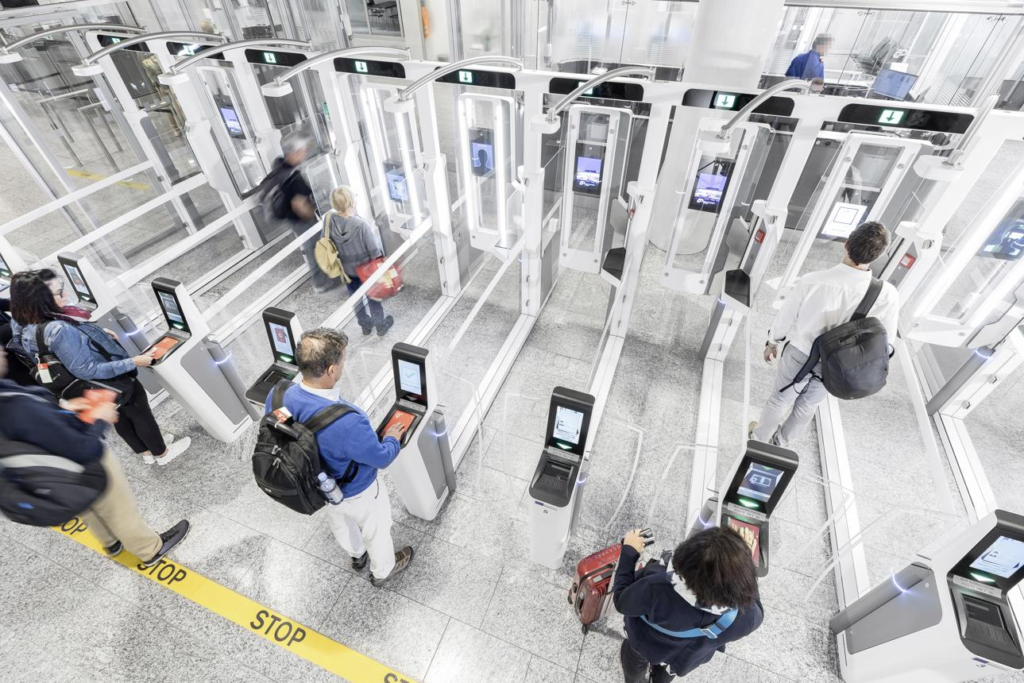
The objective is to strengthen border security while improving the accuracy of travel records. These Schengen Visa Updates represent one of the biggest changes to Europe’s border management in recent years.
Travelers Should Expect Longer Border Processing Times
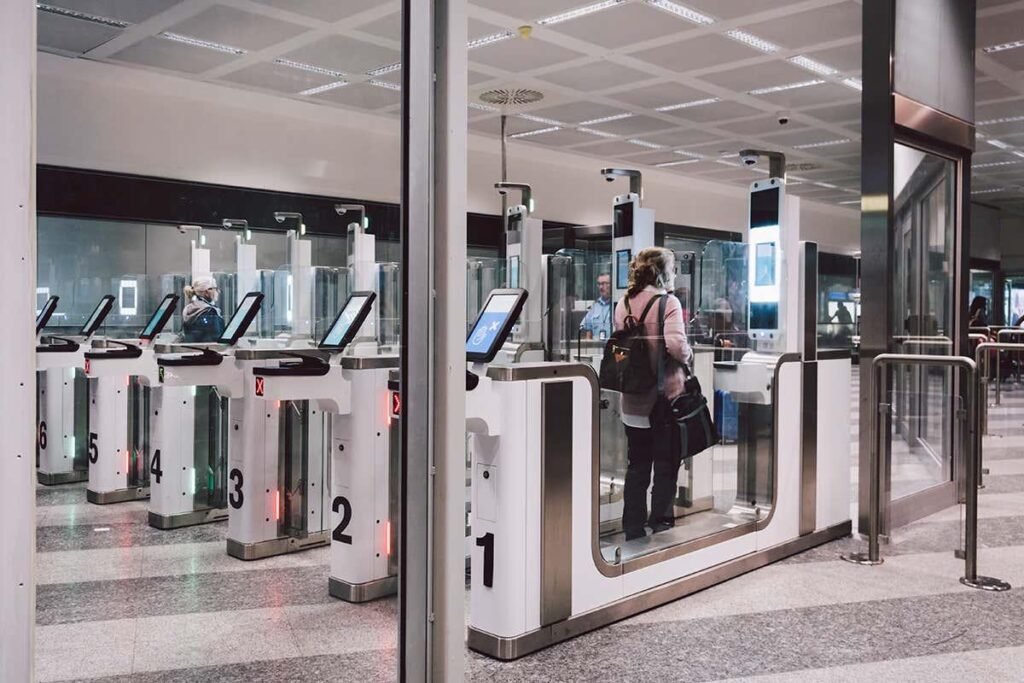
Although the Entry/Exit System is now well established, some airports and border crossings may still experience longer processing times during peak travel periods, particularly for travelers completing biometric verification for the first time.
Travelers entering Europe for the first time under the EES should allow additional time for biometric registration, especially at major airports in countries such as Spain, France, Italy, and Portugal.
If you’re arriving on an international flight, reaching the airport well in advance and planning onward transportation carefully is recommended.
ETIAS Has Not Started Yet
A common misconception is that ETIAS is already required for travel to Europe.
It is not.
The European Travel Information and Authorisation System (ETIAS) is still expected to begin later, after additional preparations. European authorities continue to state that an official launch date will be announced before implementation, while recent reports indicate further delays beyond the original target because authorities are prioritizing the successful rollout of the Entry/Exit System.
It’s also important to note:
- ETIAS is not a visa.
- It applies only to travelers from visa-exempt countries.
- Travelers who already require a Schengen visa will continue using the normal visa process and do not need ETIAS.

Travelers should continue following official Schengen Visa Updates before planning their trip.
No Major Changes to Schengen Visa Requirements
For travelers from countries that require a Schengen visa, including India, the standard visa application process remains the same. Despite these Schengen Visa Updates, the standard visa application process remains largely unchanged.
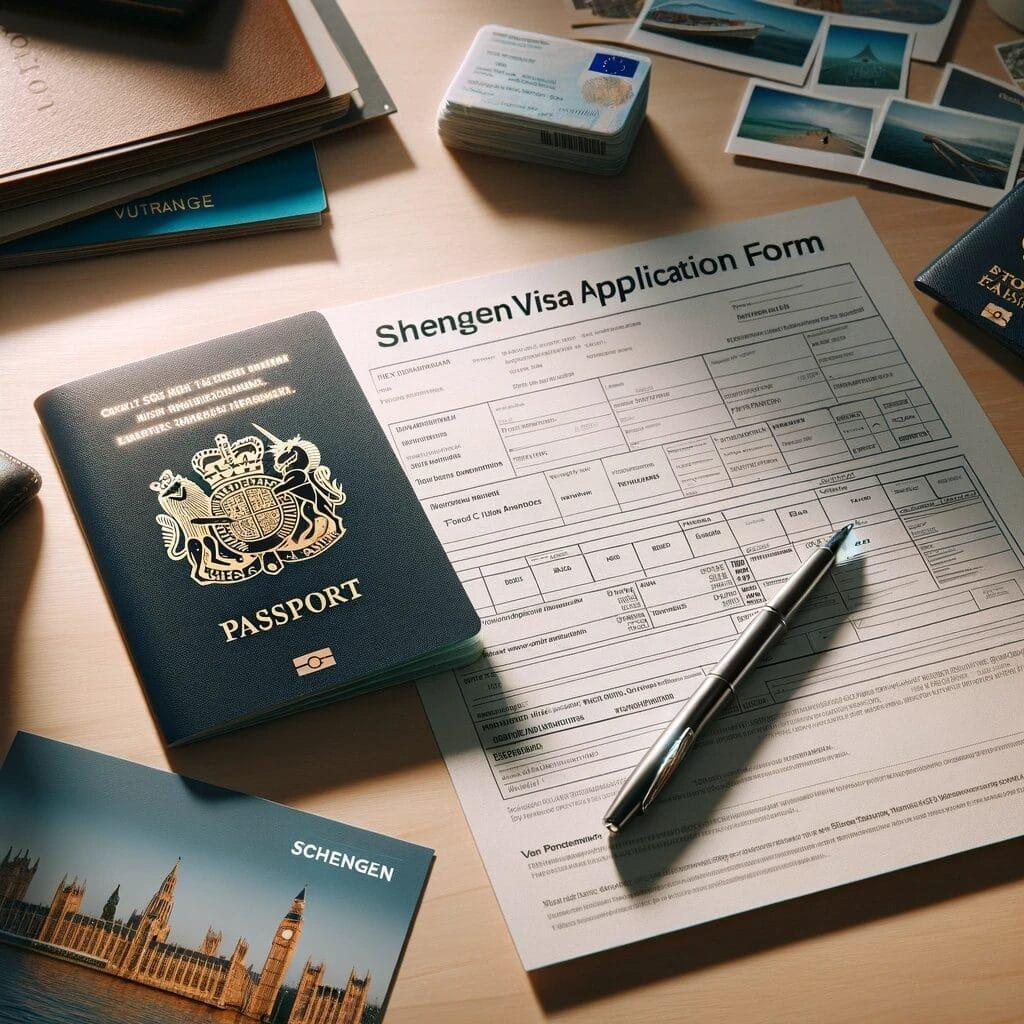
Applicants still need to provide:
- Valid passport
- Completed visa application
- Travel itinerary
- Accommodation details
- Travel insurance
- Financial proof
- Supporting documents depending on the purpose of travel
There have been no major changes to these core documentation requirements in recent months.
Positive Update for Frequent Indian Travelers
One encouraging development for Indian applicants is the continued implementation of the cascade regime, which allows eligible frequent travelers with a strong history of lawful Schengen travel to qualify for longer-validity multiple-entry visas, subject to individual assessment by consular authorities. This can reduce the need for repeated visa applications for future trips. This is one of the most beneficial Schengen Visa Updates for eligible frequent travelers.

What These Updates Mean for Travelers
The latest changes do not make Europe more difficult to visit, but they do make preparation more important.
Travelers should:
- Arrive earlier at airports and border crossings.
- Keep travel documents readily available.
- Expect biometric registration on first entry under EES.
- Verify official ETIAS announcements before traveling.
- Apply for Schengen visas well in advance during peak travel seasons.
Planning ahead will help minimize delays and ensure a smoother arrival experience.
How to Prepare for Your Trip After These Updates
Although the latest Schengen developments are primarily focused on improving border management, travelers can make their journey much smoother by preparing in advance. Staying informed about Schengen Visa Updates helps travelers avoid unexpected issues during their journey.
Before departing for Europe, consider the following:
- Verify your visa validity and travel dates.
- Carry printed and digital copies of important documents.
- Arrive at the airport early for international departures.
- Allow additional time for immigration procedures upon arrival.
- Confirm hotel reservations and onward transportation before landing.
Planning ahead helps reduce unnecessary stress, particularly during busy travel seasons.
Common Mistakes Travelers Should Avoid
Even experienced travelers can encounter delays if they overlook important details.
Assuming ETIAS Is Already Mandatory
One of the most common misconceptions is believing that ETIAS is already required.
As of now, ETIAS has not yet been introduced, and travelers should rely only on official announcements before making travel decisions.
Waiting Until the Last Minute to Apply
Schengen visa processing times may increase during:
- Summer holidays
- Christmas season
- Easter
- School vacations
Submitting applications well in advance provides greater flexibility and reduces the risk of travel disruptions.
Not Allowing Enough Time at Immigration
With the Entry/Exit System now operational, first-time travelers entering the Schengen Area under the new system may spend additional time completing biometric registration.
Scheduling tight flight connections or immediate onward travel immediately after arrival may increase travel stress.
Ignoring Transportation Planning
Many travelers focus entirely on visas and flights while overlooking transportation after landing.
European airports are often located some distance from city centers, hotels, cruise ports, and business districts. Planning airport transfers before departure helps avoid confusion after arrival.
How These Changes Affect Airport Arrivals
The introduction of digital border systems means travelers should expect a slightly different arrival experience than in previous years.
Depending on the airport and passenger volume, additional time may be required for:
- Biometric verification
- Identity confirmation
- Digital entry registration
This is particularly relevant for visitors arriving at major European airports such as:
- Paris Charles de Gaulle
- Amsterdam Schiphol
- Frankfurt Airport
- Rome Fiumicino
- Madrid-Barajas
- Barcelona-El Prat
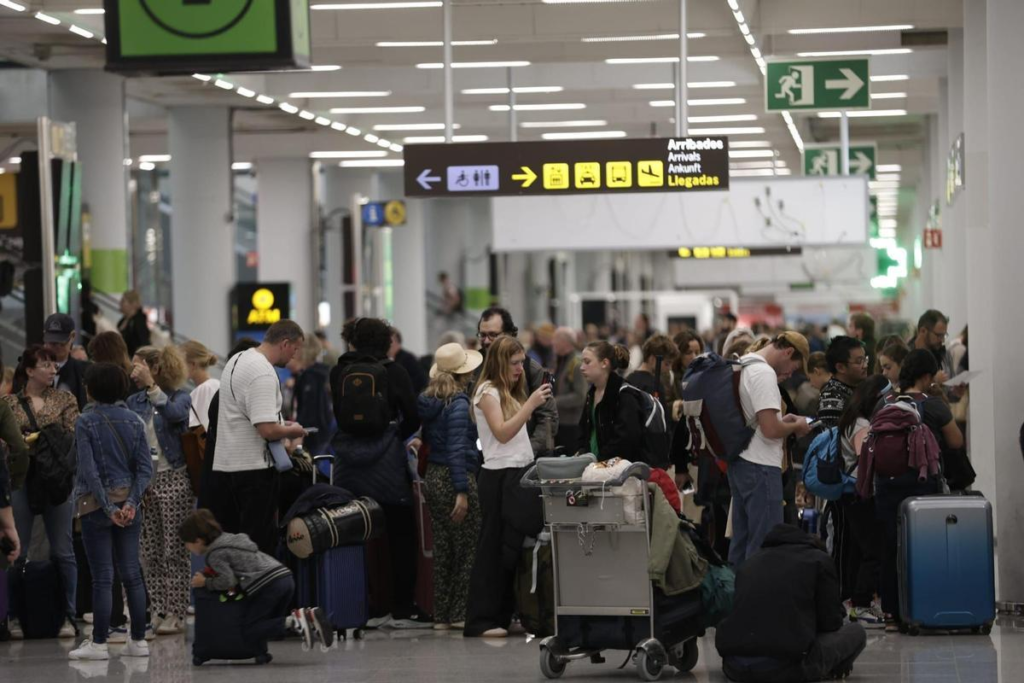
Allowing extra time after landing is a practical way to avoid unnecessary pressure.
Why Ground Transportation Planning Matters
Once immigration formalities are completed, travelers still need reliable transportation to reach:
- Hotels
- Cruise ports
- Business venues
- Tourist attractions
- Railway stations
Pre-arranged transportation helps eliminate uncertainty after long international flights, especially for:
- Families
- Business travelers
- Elderly passengers
- Luxury travelers
- Large groups
Having transportation confirmed before arrival allows visitors to begin their European journey with greater comfort and confidence.
Traveling Across Europe with Tour Passion
As international travel continues to evolve, dependable ground transportation has become an important part of the overall travel experience. Whether arriving for business, leisure, a cruise holiday, or a multi-country European tour, travelers often require comfortable transportation between airports, hotels, railway stations, cruise terminals, and major cities. As these Schengen Visa Updates continue to shape international travel, planning reliable transportation becomes increasingly important.
Tour Passion provides professional transportation services across Europe, helping international visitors travel comfortably after arriving in the Schengen Area.
The available fleet includes:
- Luxury Sedans
- Executive Sedans
- Premium SUVs
- Mercedes-Benz V-Class
- Luxury Minivans
- Mini Coaches
- Full-Size Coaches
These services are suitable for:
- Airport transfers
- Hotel transfers
- Cruise port transfers
- Business travel
- Family vacations
- Educational tours
- Corporate events
- Large group transportation

With experienced professional drivers, meet-and-greet services, and transportation available across numerous European destinations, Tour Passion supports travelers looking for reliable and comfortable ground transportation throughout their journey.
The Latest Schengen Visa Updates for International Travelers highlight Europe’s ongoing efforts to modernize border management while maintaining secure and efficient travel procedures. Although the introduction of the Entry/Exit System changes how travelers enter the Schengen Area, the overall visa application process remains familiar for most visitors. Following the latest Schengen Visa Updates allows travelers to prepare more confidently before visiting Europe.
The best way to enjoy a stress-free trip is to stay informed, prepare documents well in advance, allow additional time for airport procedures, and organize transportation before arriving.
As Europe welcomes millions of international visitors every year, careful planning continues to be the key to a smooth and enjoyable travel experience.
Frequently Asked Questions
The following FAQs answer the most common questions related to recent Schengen Visa Updates.
Has the Schengen visa process changed in 2026?
The standard Schengen visa application process remains largely unchanged. However, travelers should stay informed about border management updates such as the Entry/Exit System.
Is ETIAS currently required?
No. ETIAS has not yet been implemented. Travelers should monitor official European Union announcements for the confirmed launch date.
What is the Entry/Exit System?
The Entry/Exit System (EES) is a digital border management system that electronically records entries and exits for many non-EU travelers instead of using passport stamps.
Will airport processing take longer?
During the initial implementation period, some travelers may experience longer immigration processing times because of biometric registration.
Should airport transportation be arranged before arriving?
Yes. Booking transportation before departure helps reduce waiting time and provides a smoother arrival experience, particularly after long international flights.
Suggested For You
Germany Transit Visa Removed For Indians
Thailand Tourist Visa Rules 2026
Important Amsterdam Tourist Tax 2026 Changes
Monaco Yacht Show 2026 Continues to Attract Global Luxury Travelers and Industry Leaders
10 Magical Best Christmas Markets in Europe 2026
Monaco Grand Prix Travel Guide
How to Travel Between Europe’s Biggest Festivals
Paris Tourism and Mobility Initiatives